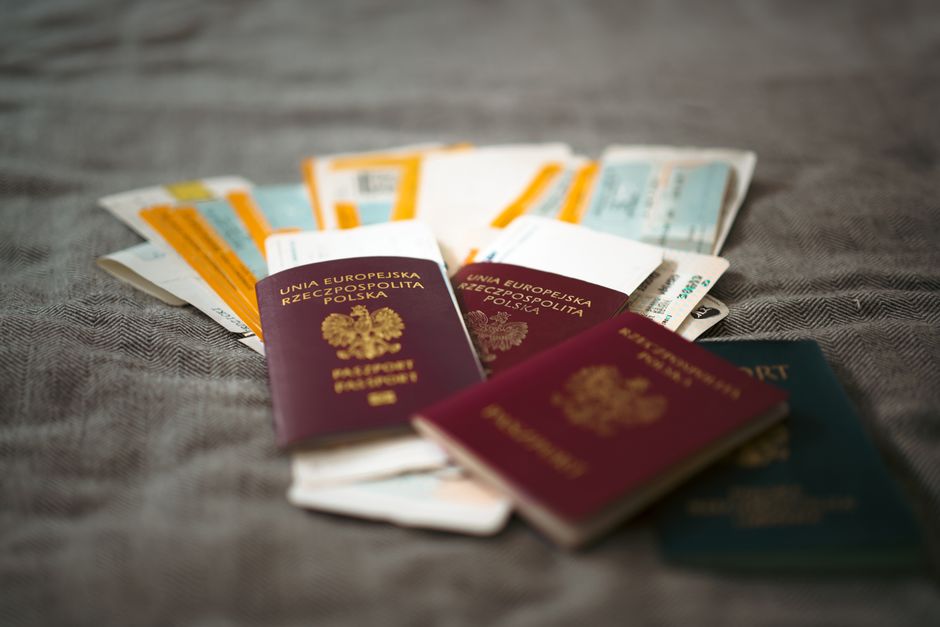
This article is correct as of 2026-09-07.
Current policy check: The Saudi Press Agency reported the Ministry of Hajj and Umrah’s launch of this visa as valid for 365 days from issuance, with multiple entries and a cumulative stay of up to 90 days. Eligibility and available application routes can depend on nationality and current Ministry rules, so check the official channel before paying or booking. The Ministry’s FAQ also warns that an Umrah visa cannot be extended for the Hajj season. SPA announcement and Ministry FAQ.
Saudi Arabia’s Ministry of Hajj and Umrah has introduced a one-year multiple-entry Umrah visa, a significant shift from the single-entry approach most DIY travellers have worked with until now. The visa lets you enter the Kingdom multiple times over a 365-day period, with a cumulative stay of up to 90 days [1].
What the new rules actually say
Announced on 21 July 2026, the new multiple-entry Umrah visa carries these core terms [1]:
- Valid for one year (365 days) from the date of issuance [1].
- Multiple entries allowed, so you can come and go during the validity window [1].
- Maximum 90 days cumulative stay across all visits [1].
- Each visit requires purchasing a service package via the Nusuk platform [1].
- Each visit also requires obtaining an Umrah permit through the Nusuk app [1].
- The visa is not valid during the Hajj season [1].
The Ministry confirmed these details via the Saudi Press Agency, and the news has been carried by multiple outlets including The National, Saudi Gazette, and Arab News [1].
One visa, one year, multiple visits. But you still need Nusuk permits for every trip.
Why this matters for DIY Umrah planners
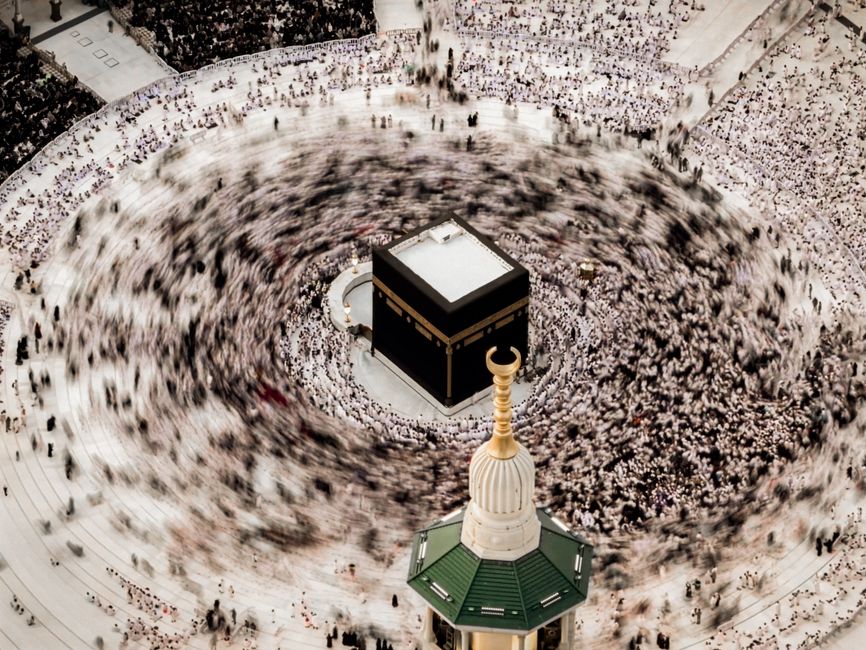
For DIY travellers who plan their own Umrah without an agency, the old single-entry system meant starting from scratch every time you wanted to go. A quick weekend Umrah from Dubai, a longer stay during Ramadan, and a post-Eid visit all needed separate visa applications, separate fees, and separate waits [1].
Under the new multiple-entry visa, you apply once. If you live in a country with a short flight to Saudi Arabia, the Gulf states, or any hub with frequent direct flights to Jeddah or Madinah, this changes the arithmetic. You can spread multiple shorter trips across the year instead of cramming everything into one long stay [1].
This is also useful for travellers who want flexibility. Book your first trip with confidence, then decide on a second or third visit later in the year without gambling on visa processing times or availability [1].
What DIY planners should do right now
- Understand the service package requirement. The visa is not a standalone travel document. For every visit, you must purchase a service package through Nusuk. This likely bundles accommodation, transport, or other services. Factor this cost into your planning even if you prefer to arrange things independently [1].
- Get comfortable with the Nusuk app. You need an Umrah permit via the app for every single visit. If you have not used Nusuk before, set it up now, verify your identity, and familiarise yourself with the permit booking flow before you need it [1].
- Avoid the Hajj season window. The multiple-entry visa does not cover travel during Hajj. If you are planning a trip near Dhul Hijjah, confirm the exact blackout dates so your visa is not rejected at the border [1].
- Check cumulative days carefully. 90 days is the ceiling across all entries. If you enter for 30 days in January and 30 days in April, you have 30 days left for the rest of the year. Track your stays [1].
What hasn’t been confirmed yet
The Ministry announcement is a policy framework, not a full operational guide. Several practical questions remain unanswered as of this writing [1]:
- What the service packages cost and what they include. Until Nusuk publishes pricing, budget conservatively and assume the package adds to your total trip cost [1].
- Whether the multiple-entry visa replaces the existing single-entry Umrah visa or runs alongside it. The announcement does not clarify if both visa types will remain available [1].
- The exact application process. Which platform handles the initial application, how long processing takes, and whether biometrics are required are not yet detailed [1].
- Whether the 90-day cumulative limit can be extended or reset. The announcement states a hard 90-day ceiling with no mention of extensions [1].

The bigger picture
This visa is part of a broader Saudi push to make religious tourism more accessible. The Kingdom has already simplified tourist visas that cover Umrah, expanded e-visa eligibility to more countries, and invested heavily in transport infrastructure between Jeddah, Makkah, and Madinah. The Haramain High Speed Railway now connects Jeddah airport to Makkah in about 35 minutes, and Madinah in roughly two hours [1].
A multiple-entry Umrah-specific visa fills a gap: it is for people whose primary reason for visiting is Umrah, not tourism, and who intend to return multiple times within a year [1].
For now, details on the exact service packages, costs, and the application process through Nusuk have not been published in full. The Ministry has announced the framework. The operational details, what packages cost, how they are purchased, and how Nusuk links them to permits, will become clearer as the system rolls out [1].
Sources: Saudi Ministry of Hajj and Umrah announcement via Saudi Press Agency. Reporting by The National News (thenationalnews.com), Saudi Gazette (saudigazette.com.sa), Ummid (ummid.com), and Wego Travel Blog (blog.wego.com).
Notes
- [1] Saudi Ministry of Hajj and Umrah announcement, 21 July 2026, via Saudi Press Agency. Confirmed by multiple news outlets including The National News, Saudi Gazette, and Arab News. Key terms: one-year validity, multiple-entry, 90-day cumulative stay limit, Nusuk service package and permit required per visit, not valid during Hajj season.