
This article is correct as of 2026-08-18.
Saudi Arabia has clarified how its new one-year multiple-entry Umrah visa works. Travellers can make several visits during the 365-day validity period, although every visit still depends on a new approved service package and an Umrah permit. The visa also cannot be used for entry during the Hajj 2027 restriction period. [1]
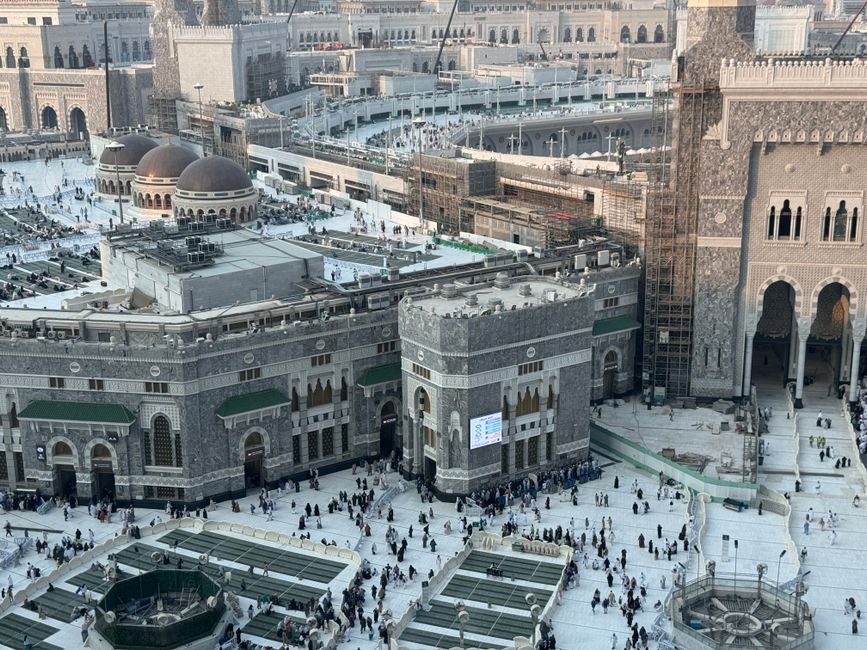
The Ministry of Hajj and Umrah introduced the multiple-entry visa on 20 July 2026, according to ETTravelWorld and The Economic Times. The distinction matters because a visa that is still within its one-year validity is not automatically ready for every planned return trip. Travellers still need to complete the conditions attached to each visit. [1][2]
What the visa allows
The visa is valid for 365 days from the date of issue and permits multiple entries during that period. The total stay is capped at 90 days across all visits. That 90-day allowance is cumulative, so it is shared across the full validity window instead of restarting every time the traveller leaves Saudi Arabia. [1][2]
For a DIY traveller, it helps to read this as two separate limits. The first is the calendar window, which runs for one year from issuance. The second is the total number of days that may be spent in Saudi Arabia across the visits made inside that window. Anyone planning more than one Umrah trip should record the entry and departure dates for every visit. [1]
The rule gives more room for repeat travel, but it does not turn the visa into an open-ended travel document. A valid visa is one part of the process. The service package, Umrah permit, and other applicable entry conditions still need to be checked before each journey. [1]
What changes for each return visit
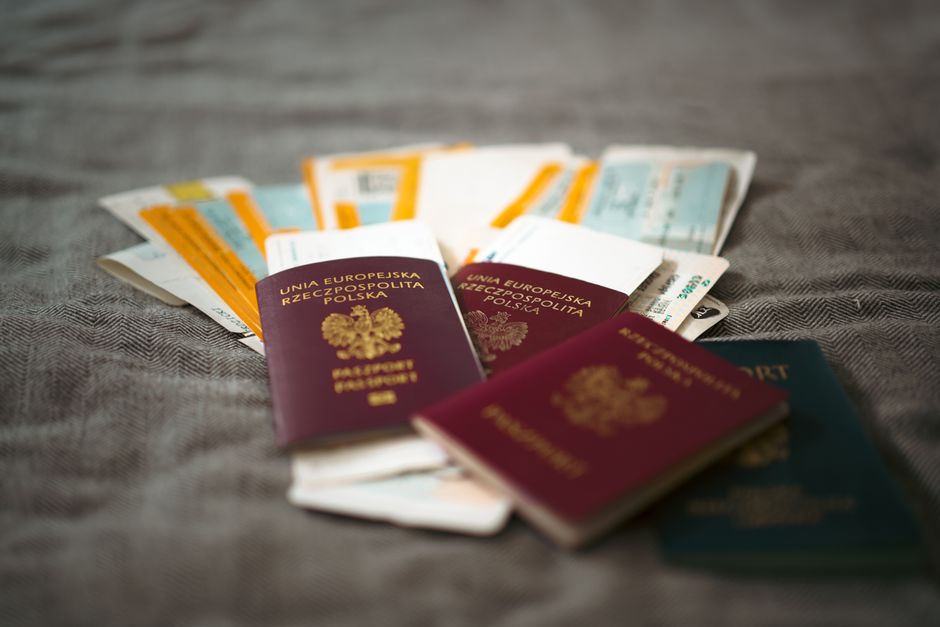
According to the clarification, pilgrims must obtain a new approved service package for each visit and secure an Umrah permit. The reporting also refers to the Nusuk process for those permits. In practical terms, a traveller should treat every proposed return as a fresh planning exercise instead of assuming that the first trip’s arrangements carry over. [1][2]
That means checking the approved package and permit steps before paying for flights. It also means keeping the visa issue date, planned arrival date, planned departure date, and running total of days in one place. These are simple records, but they help prevent a common planning error: counting the 90-day allowance as a separate entitlement for every entry. [1]
Travellers should also recheck the available instructions before each trip because the article is based on a current policy clarification. The practical value of a multiple-entry visa depends on being able to meet the conditions for the next visit at the time that visit is planned. [1]
The Hajj 2027 restriction
The one-year validity period may extend into 2027 for visas issued during the second half of 2026. Saudi Arabia has stated that the visa cannot be used for entry during the Hajj 2027 season, from 1 Dhu Al-Qi’dah until 13 Dhu Al-Hijjah. The restriction therefore applies even if the visa has not yet reached the end of its 365-day validity period. [1][2]
The dates of the main Hajj rites remain subject to the official Islamic calendar determination, but the reported restriction is expressed using the Hijri dates above. DIY travellers should use the stated restriction period when checking an itinerary and avoid treating the visa expiry date as the only date that matters. [1]
This is especially relevant for anyone considering a second or third visit around the 2027 Hajj season. A return trip that looks possible under the 365-day calculation may still fall inside the period when the visa is not activated for entry. Build the Hajj restriction into the first itinerary check, not as a last-minute adjustment. [1][2]

A practical checklist for DIY travellers
- Write down the visa issue date and calculate the 365-day validity window from that date. [1]
- Keep a running total of every day spent in Saudi Arabia, because the maximum is 90 days across all entries. [1][2]
- Before each return trip, confirm the new approved service package and Umrah permit steps, including the relevant Nusuk process. [1][2]
- Check the planned entry date against the Hajj 2027 restriction from 1 Dhu Al-Qi’dah until 13 Dhu Al-Hijjah. [1]
- Save the current official or publisher report with your travel records so you can recheck the policy wording before booking another trip. [1][2]
What this clarification does not mean
The update does not mean that every future visit is already arranged when the visa is issued. It confirms a multiple-entry framework with a 365-day validity period and a 90-day cumulative stay, while retaining visit-by-visit package and permit requirements. [1][2]
It also does not remove the need to check the timing of a trip against Hajj-season restrictions. For DIY planning, the safest approach is to separate the visa calculation from the booking decision: first check validity and remaining days, then confirm the service package and permit process, and finally test the arrival date against the Hajj restriction. [1]
For repeat Umrah plans, keep the paperwork and date calculations together. The 365-day window, the 90-day total, the new package and permit for each visit, and the Hajj 2027 restriction all need to fit the same itinerary. [1][2]
Notes
- [1] ETTravelWorld, “Saudi Arabia clarifies rules for one-year multiple-entry Umrah visa,” published 17 August 2026: publisher report.
- [2] The Economic Times, “Saudi Arabia clarifies rules for one-year multiple-entry Umrah visa,” published 17 August 2026: publisher report.