First-Time DIY Umrah Handbook for Non-Arabic Speakers
This article is correct as of 2026-08-12.
Last updated: 2026-08-12
You don’t need Arabic to do Umrah on your own. Many first-time visitors manage the practical parts of Umrah in English, but you should still plan for situations where a driver or shopkeeper speaks mainly Arabic. What you do need is a plan for the practical stuff, your visa, the Nusuk app, a hotel, transport, and a small set of phrases that get you out of trouble. This handbook walks you through the whole first-time do-it-yourself trip, with the language help woven into every step rather than bolted on at the end [1].
Quick answer: You can plan and complete a first-time DIY Umrah without Arabic. Get the visa or permit that applies to your passport and check the current official entry, health and permit requirements before you book [2][3]. If Nusuk offers English on your device, select it and follow the current registration prompts [1]. Carry a card with your hotel name written in Arabic for taxi drivers, and learn a few Saudi dialect phrases like “Wein al-Haram?” (where is the Haram?) and “Bikam hatha?” (how much?) [5].
Table of contents
- Before you book: documents, visa and vaccination [2]
- Setting up the Nusuk app in English [7]
- Booking a hotel without Arabic [5]
- Transport between Jeddah, Makkah and Madinah [4]
- Budget and money: what first-timers forget [5]
- Saudi Arabic survival phrases that actually matter [5]
- Safety and getting un-lost [5]
- Common mistakes first-time non-Arabic speakers make [6]
- FAQ
Before you book: documents, visa and vaccination
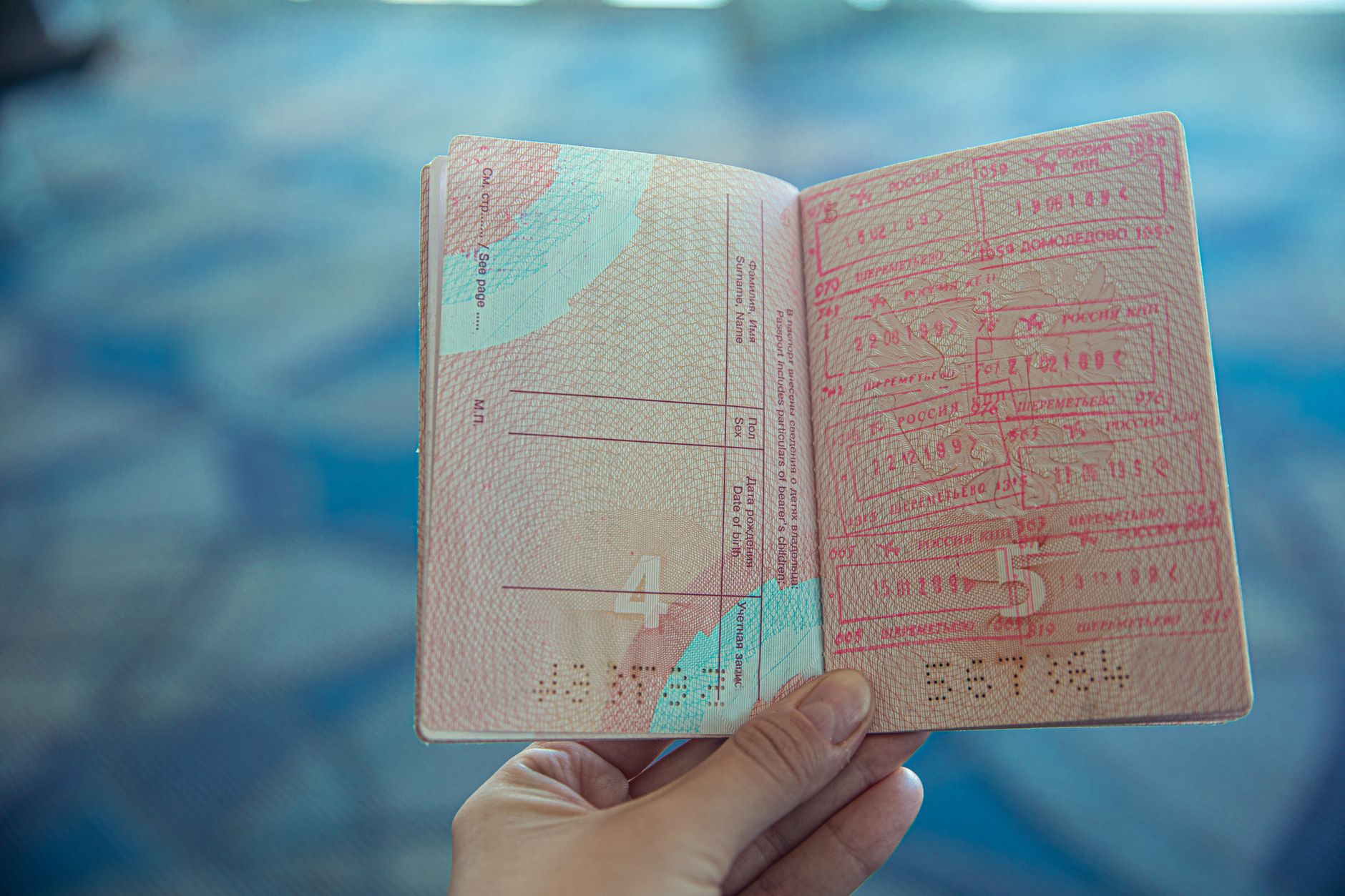
Start with your entry paperwork, because almost everything else hangs off it. The Nusuk Umrah platform is the official one-stop shop overseen by the Ministry of Hajj and Umrah for visa, accommodation, transport and package booking from authorized service providers [1]. That means the platform is your single source for the pieces you’d otherwise juggle across half a dozen travel sites.
Visa, permit, accommodation, transport and vaccination requirements can change. Check the Ministry’s current FAQ and the official visa service for the rules that apply to your passport before paying for flights or rooms [2][3]. For a DIY planner, keep every confirmed booking and requirement in one place, in English and Arabic where useful, so nothing gets lost in translation.
The Saudi Ministry of Hajj and Umrah provides official FAQ and permit services through the Nusuk app and GOV.SA for Umrah-related services [2]. If you get stuck on a rule, those are the two places to look, not a random Facebook group. Visa options depend on your nationality, travel date and current Saudi rules. Use the official Saudi visa service to confirm which route applies to your passport before booking flights [3].
Setting up the Nusuk app in English
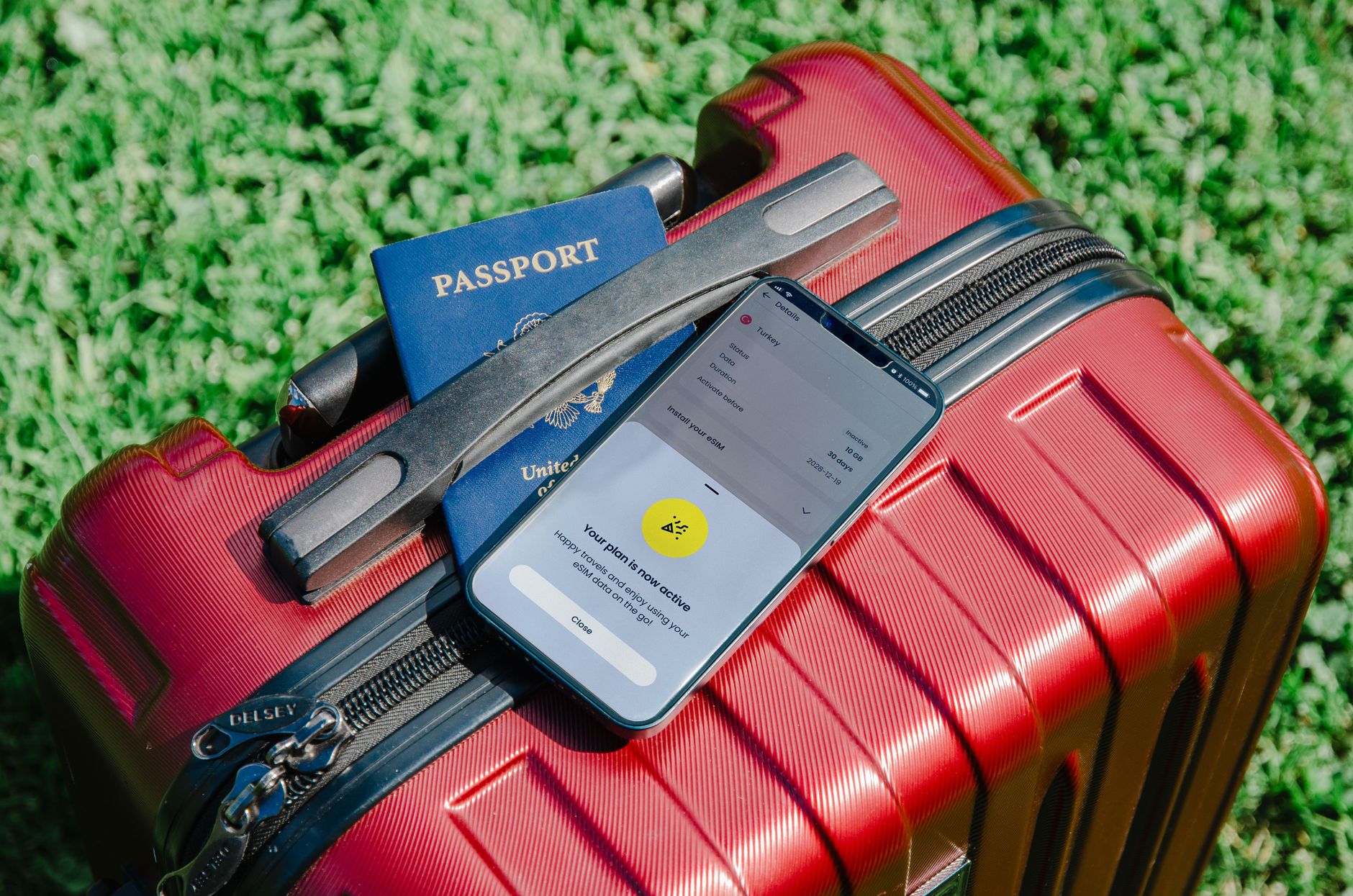
The official Nusuk platform is where many permit and pilgrimage-service steps are handled. Its features, language options and registration flow can change, so use the current official instructions rather than an old screenshot or social-media guide [1]. If English is offered on your device, select it; otherwise keep a translation backup ready.
To set it up, choose English if available, create your account using the current prompts, and follow the in-app instructions for any permit or service you need [1]. If the app gives you a permit confirmation or QR code, save an offline copy before leaving your hotel. Do not assume that an old screenshot or previous permit process still applies. Need a slower walkthrough? See our step-by-step Nusuk app setup guide.
Booking a hotel without Arabic
Your hotel choice is where the language really starts to matter, because the person who gets you back to it at 2 a.m. probably won’t speak English. In major hotels and some shops near the Haram, many staff do speak basic English, but taxi drivers, small shop owners and many locals often speak only Arabic [6].
The fix is one of the cheapest, highest-value steps in this whole handbook. Write your hotel name in Arabic on your phone or on a card, and show it to taxi and bus drivers, who often don’t speak English, to avoid confusion with transliteration or spelling differences [5]. Then say the three-word phrase “Wassilni li-hatha al-funduq,” which means “take me to this hotel” [5]. Show the Arabic text, say the phrase, and you’ve just solved the single most common first-timer problem, getting back to the right building.
Transport between Jeddah, Makkah and Madinah
Most first-time DIY itineraries connect Jeddah, Makkah and Madinah, but entry and travel rules can change by season and passport. Confirm the current official guidance before fixing flights, hotels and intercity transport [4].
Daily conversations with Saudi taxi and bus drivers, hotel staff and shopkeepers happen in Saudi dialect, not Modern Standard Arabic, so practical dialect phrases matter for travel logistics [5]. Classroom Arabic is still worth knowing, but the driver from the airport to your hotel speaks the local dialect, and a few dialect phrases will move you faster than any perfect grammar.
Budget and money: what first-timers forget
Money is where non-Arabic speakers get quietly overcharged, because haggling and checking prices happen in Arabic. Learn “Bikam hatha?” or “Kam as-si’r?” for “how much is this?” before you buy anything [5]. It’s the single most useful shopping phrase you’ll carry, and it turns a one-sided transaction into one where you at least understand the number being quoted.
That connects to numbers. Non-Arabic speakers should focus on three areas before travel: understand the ritual phrases they recite, learn 10-15 practical phrases for directions and food, and learn Arabic numbers 1-10 for prices and room numbers [6]. You don’t need to be able to debate in Arabic. Numbers 1 to 10 cover prices, room numbers, and the change a shopkeeper hands you, and that’s most of what money actually requires.
Saudi Arabic survival phrases that actually matter
Here’s the short list worth memorising before you fly. These cover directions, hotels, food, shopping and emergencies [5]:
- “Wein al-Haram?” means “where is the Haram?” and covers the most important direction you’ll ever ask [5].
- “Abgha moyah” means “I want water” and pulls its weight during a hot walk between the hotel and Masjid al-Haram [5].
- “Bikam hatha?” (or “Kam as-si’r?”) means “how much is this?” and is your haggling opener [5].
- “Ana dayi'” means “I am lost” and is the phrase that summons help when you’ve walked in a circle three times [5].
You can absolutely complete Hajj and Umrah without speaking Arabic, and Saudi Arabia has improved its English signage, but basic Arabic phrases still help with taxis, restaurants and emergencies [6]. So treat this list as your safety net, not your whole trip. A translation app on your phone covers the rest of what these phrases don’t.
Safety and getting un-lost
The hotel-name card is your main safety tool, so put it to work everywhere. Taxis and small shop owners in Makkah and Madinah often speak only Arabic, while major hotels and some shops near the Haram have basic English-speaking staff, so you should carry a card with your hotel name written in Arabic [6]. Have it ready in your pocket, not buried in a bag, because the moment you need it is usually the moment you’re already flustered.
For the truly stuck moments, “Ana dayi'” with the Arabic hotel card held out is a complete survival kit on its own [5]. Say the phrase, show the card, and almost anyone will point or walk you the right way. Emergency help in Saudi Arabia is reachable on standard national numbers, and having a basic dial phrase ready in your phone’s notes is cheap insurance.
Common mistakes first-time non-Arabic speakers make
- Skipping the Arabic hotel card. Relying on a transliterated English hotel name is exactly where confusion with spelling happens, and it’s the number one way to end up at the wrong building [5].
- Not saving the Nusuk confirmation. If the current process gives you a permit confirmation or QR code, save an offline copy rather than relying on mobile data at the gate [1].
- Leaving the app in Arabic. If you install Nusuk and don’t switch it to English, every menu and report becomes harder than it needs to be [7].
- Assuming everyone speaks English. Some hotel staff near the Haram do, but drivers and small shops often don’t, so plan around the gap instead of being surprised by it [6].
- Forgetting numbers 1-10. Prices and room numbers run through the numbers, and skipping them leaves you guessing at both the bill and the door [6].
FAQ
Do I really need Arabic to do Umrah on my own? [6]
No. You can complete Hajj and Umrah without speaking Arabic, and Saudi Arabia has improved its English signage, though a few key phrases help with taxis, restaurants and emergencies [6].
How should I use Nusuk if I do not speak Arabic? [7]
Use the official Nusuk platform and follow its current registration and permit instructions. Select English if it is offered on your device, and keep a translation backup for any screen that is not available in English [1].
What vaccinations do I need before my Umrah trip? [2]
Check the Ministry FAQ and official visa service for the requirements that apply to your passport and travel date. Health requirements can change, and meningococcal vaccination may be among the requirements listed for Umrah travel [2][3].
How do I get back to my hotel if the driver speaks no English? [5]
Write your hotel name in Arabic on your phone or a card, show it to the driver, and say “Wassilni li-hatha al-funduq” to mean “take me to this hotel” [5].
Which cities will my DIY Umrah trip actually involve? [4]
Most first-time DIY itineraries connect Jeddah, Makkah and Madinah, but entry and travel rules can change by season and passport. Confirm current official guidance before fixing your route [4].
What are the first phrases I should memorise? [5]
Start with “Wein al-Haram?” (where is the Haram?), “Abgha moyah” (I want water), “Bikam hatha?” (how much?) and “Ana dayi'” (I am lost), which cover directions, water, prices and emergencies [5].
Next steps
Do these in order and you’ll have the trip’s backbone locked before you pack. First, confirm which visa fits your passport and gather the meningococcal vaccination certificate [2]. Second, open the official Nusuk platform, select English if available, follow the current prompts for any permit or service, and save any confirmation or QR code it provides [1]. Third, confirm your hotel and transport bookings, then write your hotel name in Arabic on a card and memorise the four survival phrases [5]. With those done, the rest of your first Umrah is just showing up with the right piece of paper at the right gate.
Notes
- [1] Ministry of Hajj and Umrah, Nusuk Umrah platform (umrah.nusuk.sa). Nusuk is the official one-stop-shop platform for visa, accommodation, transport and package booking from the Ministry’s authorized service providers.
- [2] Ministry of Hajj and Umrah, Hajj/Umrah FAQ (haj.gov.sa/en/FAQ). The Ministry FAQ provides current Umrah permit and health guidance; requirements can change, so check the official page before travel.
- [3] Saudi National Portal, Umrah Visa service (https://my.gov.sa/en/services/312917). Use the official service to confirm the visa route that applies to your passport and current travel date.
- [4] UK Foreign, Commonwealth & Development Office, Saudi Arabia entry requirements (https://www.gov.uk/foreign-travel-advice/saudi-arabia/entry-requirements). Check current seasonal entry and flight restrictions before fixing an itinerary.
- [5] SaudiDialect (saudidialect.com/saudi-arabic-for-hajj-and-umrah). Practical Saudi dialect phrases and the hotel-name-in-Arabic card for taxi and bus drivers.
- [6] Arabify (arabify.org/arabic-for-hajj-umrah). You can complete Hajj and Umrah without Arabic; signage has improved; taxis and small shops often speak only Arabic while major hotels near the Haram often have English-speaking staff.
- [7] Ministry of Hajj and Umrah, Nusuk system (https://haj.gov.sa/en/About-the-ministry/Ministry-initiatives/Nusk-Organization). Use the current official Nusuk instructions for account, language and permit steps.