Last updated: 2026-08-24
This article is correct as of 2026-08-24.
Mental and Practical Preparation Before a DIY Umrah Trip: A Calm Planning Guide
A DIY Umrah trip becomes much easier when you prepare for the ordinary parts of travel before planning the busiest parts: documents, sleep, medication, airport transfers, daily spending, and the possibility that the plan will change. This guide is for first-timers and returning pilgrims who want to make their own arrangements without turning every decision into a last-minute scramble.
Quick answer: Put every travel document in one folder, complete the official application steps carefully, prepare health records and medication, protect your sleep before and after the flight, and build a budget by category rather than one optimistic total. Leave space in the schedule for queues, tiredness, delays, and slower days. A calm plan is more useful than a packed one.
Contents
- Documents and application preparation [2]
- Health preparation, rest, and hydration [1]
- Set expectations before you leave
- Build a budget that can survive real travel
- Make the arrival and transport plan simple
- What people forget or overcomplicate
- Questions DIY travellers ask

Documents and application preparation
Start with a document folder before you compare hotels or plan your daily route. Keep the original passport in your hand-carry, then store clear digital copies in a secure place that you can reach without relying on one device. Add flight details, accommodation information, insurance information used in the application, emergency contacts, and a simple list of medicines.
The official Saudi National Platform describes an online Umrah visa process that asks for personal and passport details, document uploads, travel and accommodation details, medical insurance, electronic payment, application tracking, and an electronic visa after approval. Treat the application as a data-entry task rather than something to rush through on a phone. [2]
Before you submit, compare every name, passport number, travel detail, and accommodation detail with the source document. The tourist visa service also tells applicants to prepare the required documents, a valid passport, and a headshot photograph in advance. [3]
- Use one spelling of each traveller’s name throughout the booking records.
- Save the application reference or tracking detail where the whole group can find it.
- Print the visa and permit after approval instead of keeping them only in an app or email. The Umrah service specifically instructs applicants to issue or add the Umrah permit through the Nusuk Platform and print the visa and permit before travel. [2]
- Keep a second paper copy in a different bag from the main document folder.
Do not choose a visa route because a friend used it last year. Official services and instructions can change. Read the current service page that applies to your route, follow its fields exactly, and keep a record of what you submitted. The tourist visa guidance says that errors can affect visa processing time, so careful checking is part of budget protection too. [3]
Make a document hand-carry checklist
- Passport and paper copies of the identity page.
- Visa and permit printouts, where applicable. [2]
- Flight and accommodation confirmations.
- Application tracking details and key contact numbers. [3]
- Medical documentation and medication list if anyone in the group has a chronic condition. [1]
Health preparation, rest, and hydration
Health preparation is not a separate project to leave until the final week. Check the official health document early, then give yourself time to obtain any record or certificate that applies to your circumstances. The Saudi Ministry of Health document lists meningococcal vaccination for all travellers intending to perform Umrah who are 1 year and older, with the vaccine received within the last 3 years and at least 10 days before arrival. It also says the certificate should clearly show the name, type, and date of administration. [1]
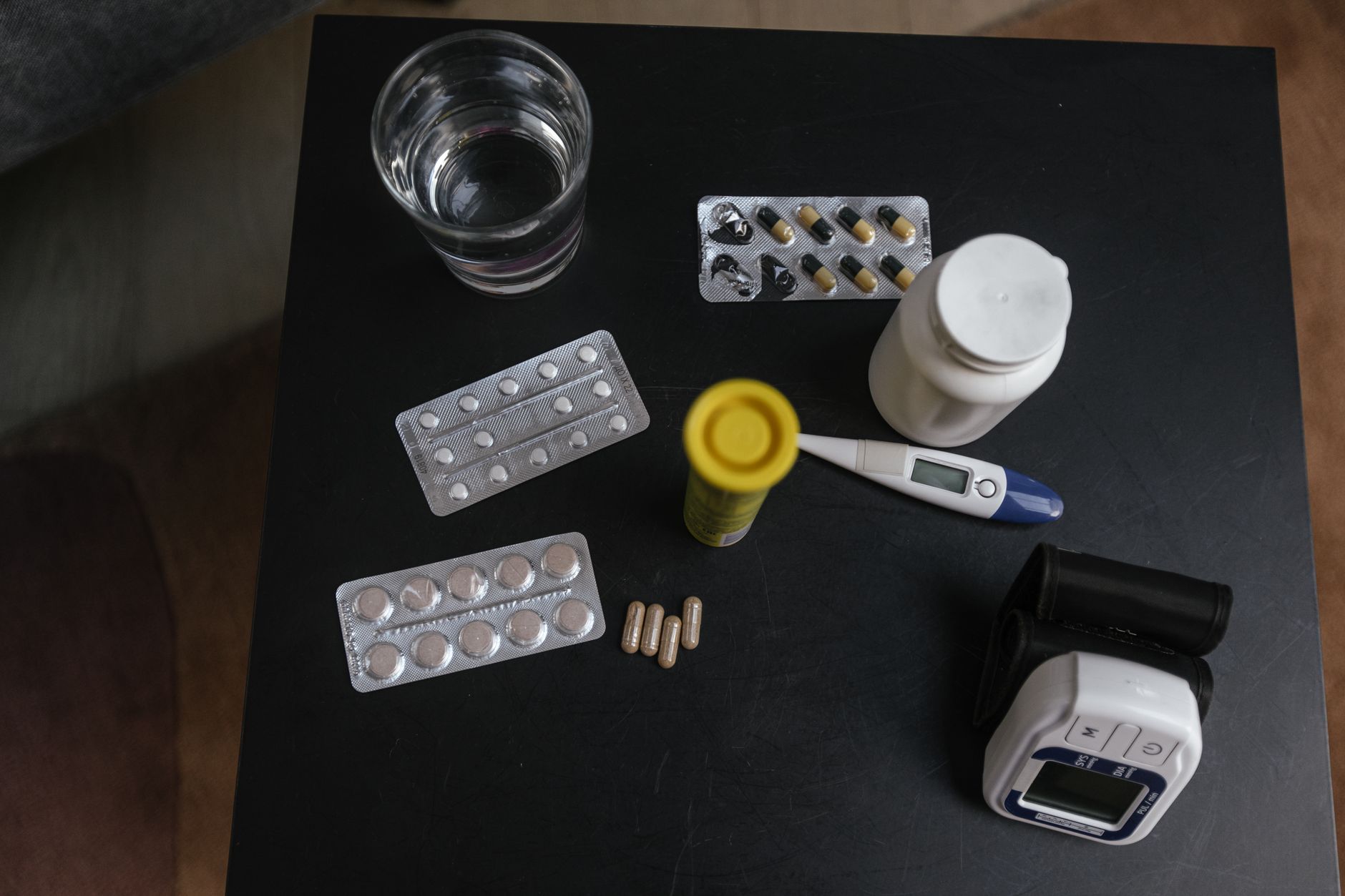
If anyone travelling with you has a chronic condition, the same Ministry of Health guidance advises carrying documentation about the medical condition and sufficient medication in its original packaging. Put those items in hand-carry luggage, not in a checked bag that may be delayed. [1]
Build a small health file with medication names, regular dosing information, relevant medical documentation, and a list of allergies. This is practical preparation, not an attempt to predict every problem. Pack only what the traveller already uses or has been advised to carry, and keep the original labels visible.
Sleep is part of the itinerary. In the days before departure, avoid filling every evening with errands. On arrival, allow time to shower, eat something simple, charge devices, and sleep before expecting a full day from yourself. The Ministry of Health advises pilgrims to prepare for heat, avoid direct sun exposure during rituals, and drink sufficient fluids. [1]
Set expectations before you leave
DIY travel gives you control, along with responsibility for each decision. Plan for delays, unclear instructions, missed pickups, and tired changes of plan. Decide in advance who checks documents, who watches the booking messages, and who speaks to the accommodation or transport provider.
Agree on a low-energy version of the trip. Write down what still counts as a successful day if the group sleeps late, arrives tired, or needs to stay near the accommodation. A useful plan has a main option and a smaller option, with fewer bookings depending on perfect timing.
Expect uneven energy. One traveller may want to leave early while another needs a slower morning. Decide which parts of the day are fixed and which can move. Keep one shared note with the day’s address, meeting point, and the next essential task. This reduces repeated questions when everyone is tired.
Measure the trip by the few things the group has already agreed matter most, not by how many places you visit. A long list can create rushed decisions, extra transport, and more spending. Leave room for rest, meals, prayer, and ordinary travel delays.
Build a budget that can survive real travel
Start your budget with categories, not a single grand total. List flights, accommodation, application payments, insurance, airport transfers, local transport, meals, data or communications, medication, laundry, shopping, and an emergency reserve. The point is to see what has already been committed and what will still be decided on the ground.
Separate prepaid items from daily spending. Prepaid items are easier to track because the amount is already known. Daily spending needs a per-person allowance and a group reserve. Keep those two amounts separate so a shopping decision does not quietly use money intended for transport or food.
For each booking, record the total amount, what it includes, the payment date, the cancellation terms shown at booking, and the person responsible for checking it. Do not rely on a screenshot with no context. Save the confirmation page or message with the booking name and dates together.
A realistic budget also includes friction. Leave room for a changed pickup, an extra meal, a replacement charger, laundry, or a slower day that makes the cheapest option impractical. You do not need to predict the exact amount. You do need to decide what reserve the group will protect and who can approve unplanned spending.
Review the budget once after the main bookings are made and again before departure. If the total feels too tight, reduce the number of moving parts before cutting rest. A simpler hotel plan, fewer transfers, and less shopping often make the whole trip easier to manage.
Make the arrival and transport plan simple
Write the first 24 hours as a sequence: landing, immigration and baggage, meeting the driver or finding the agreed transport point, reaching the accommodation, checking in, eating, charging phones, and sleeping. Add the accommodation address in a form that can be shown to a driver or staff member.
Before departure, confirm the pickup name, meeting point, contact method, and what happens if the flight is late. If you are using more than one transport provider, keep each confirmation in the same folder as the relevant date. Do not assume that one company can see another company’s booking.
Choose convenience when the group is carrying bags or travelling while tired. The cheapest option is not always the cheapest decision if it creates another transfer, a long wait, or a missed check-in. Compare the whole journey, not just the first quoted amount.
For the rest of the trip, keep a short daily route. Put the accommodation, the day’s main destination, and the return plan in one note. A route that can be explained in one minute is easier to follow when the phone battery is low or the group has split temporarily.

What people forget or overcomplicate
- They start with bookings instead of documents. Finish the identity, application, and health-record checklist first. A cheap booking is not useful if the travel details later need correction. [3]
- They keep everything on one phone. Carry paper copies, share the key files with one trusted companion, and keep a written list of important contact details.
- They treat the first day like a normal day. A late flight, a long airport process, or poor sleep can change the whole morning. Protect the arrival buffer.
- They budget only for the booking confirmation. Daily food, transport, communications, laundry, and small replacements need their own lines.
- They ignore health paperwork until departure. The official health guidance includes vaccination timing and certificate details, while chronic-condition guidance covers medical documentation and original medication packaging. [1]
- They choose a visa route from hearsay. Use the current official service instructions and track the application rather than relying on an old group message. [3]
Questions DIY travellers ask
Can a tourist visa holder perform Umrah during the stay? [4]
The official KSA Visa FAQ says yes, and directs travellers to the Nusuk platform for more details. Treat that as a current official statement and check the linked platform before you travel. [4]
What should I do with the Umrah visa and permit before departure? [2]
The Saudi National Platform instructs applicants to issue or add the Umrah permit through the Nusuk Platform and print the visa and permit before travel. Keep the paper copies with the hand-carry documents. [2]
How early should I handle the vaccination record? [1]
The Ministry of Health document specifies the meningococcal vaccination timing as within the last 3 years and at least 10 days before arrival for travellers intending to perform Umrah who are 1 year and older. Check the official document for the certificate details that apply to your group. [1]
What if someone in the group has a chronic condition? [1]
Carry documentation describing the condition and sufficient medication in original packaging, as advised by the Ministry of Health guidance. Keep these items accessible during the journey. [1]
How much should a DIY Umrah budget be?
There is no honest single figure without your departure point, dates, accommodation choices, group size, and transport plan. Build the budget by category, separate prepaid items from daily spending, and protect an emergency reserve before adding optional purchases.
Your next steps
Today, create the shared document folder and write the names of everyone travelling. Next, list the application, health, accommodation, flight, and transport tasks in date order. Use the UmrahDIY pre-departure checklist to check the practical items, then make a budget that reflects the actual trip instead of guessing from a headline number. [2]
Notes
- [1] Saudi Ministry of Health, Health Requirements and Recommendations for Travelers to Saudi Arabia for Umrah and Visit, published 2025-04-01, accessed 2026-08-24: https://www.moh.gov.sa/en/HealthAwareness/Pilgrims-Health/Documents/Health-Regulations-Umrah-EN.pdf
- [2] Saudi National Platform, Umrah Visa service, published 2026-01-01, accessed 2026-08-24: https://my.gov.sa/en/services/2691010
- [3] Saudi National Platform, Tourist visa service, published 2026-01-01, accessed 2026-08-24: https://my.gov.sa/en/services/319510
- [4] KSA Visa, Frequently asked questions, published 2026-01-01, accessed 2026-08-24: https://ksavisa.sa/faqs