This article is correct as of 2026-07-15.
You have your flights booked. You have told your family. You have started counting down the days. Then someone asks: “Did you get the meningitis jab? Have you booked your Nusuk transport? Do you have two blank passport pages?” and suddenly your checklist feels incomplete. That feeling is normal, Umrah preparation has more moving parts than most first-timers expect. This guide covers every document, health requirement, packing decision, and money tip you need to sort out before you leave. No fluff, no reminders to “pack your faith”, just the things people actually forget [1].
Quick answer: Before you travel for Umrah in 2026, you need: a passport with 6+ months validity and two blank pages, a confirmed Umrah visa linked to your Nusuk bookings, a MenACWY meningitis vaccination certificate issued at least 10 days before arrival, Nusuk-verified hotel and transport bookings, two sets of Ihram (men), unscented toiletries, comfortable walking sandals, SAR 1,500–3,000 in cash in small denominations, and printouts of everything. The “no booking, no visa” rule is strictly enforced for all 2026 applications, sort your Nusuk bookings before you even think about packing [2][8].
Table of Contents
- Documents and the “No Booking, No Visa” Rule [2]
- Vaccinations: The MenACWY Requirement [1]
- Nusuk: Transport, Hotels, and the Booking Reference Number [2]
- Packing: What Actually Matters (and What to Skip) [7]
- Money: Cash, Cards, and How Much SAR to Carry [4]
- What People Forget and How to Avoid It
- FAQ
Documents and the “No Booking, No Visa” Rule
The single most important thing to understand about Umrah in 2026 is this: you cannot get a visa without confirmed Nusuk bookings. The Saudi government calls it the “No Booking, No Visa” policy, and it is enforced at the application stage, if your Nusuk profile does not show linked hotel and transport reservations, your visa application is automatically rejected [2].
Here is your document checklist: [1]
- Passport: Must be valid for at least 6 months beyond your arrival date. You need at least two facing blank pages for visa stamps and entry/exit marks [1].
- Passport photo: White background, recent (within 6 months), no glasses or head covering (except hijab), face fully visible [1].
- Confirmed Umrah visa: Linked to your Nusuk booking profile with a valid Booking Reference Number (BRN). The BRN is what ties your visa application to your Nusuk-compliant hotel and transport bookings [2].
- Round-trip flight tickets: Confirmed and matching your visa entry/exit dates. Do not book last-minute departure tickets after arrival, immigration checks for return or onward tickets [1].
- Nusuk accommodation proof: Print the booking confirmation from your Nusuk profile showing the hotel name, dates, and BRN. Border officers may ask for it [2].
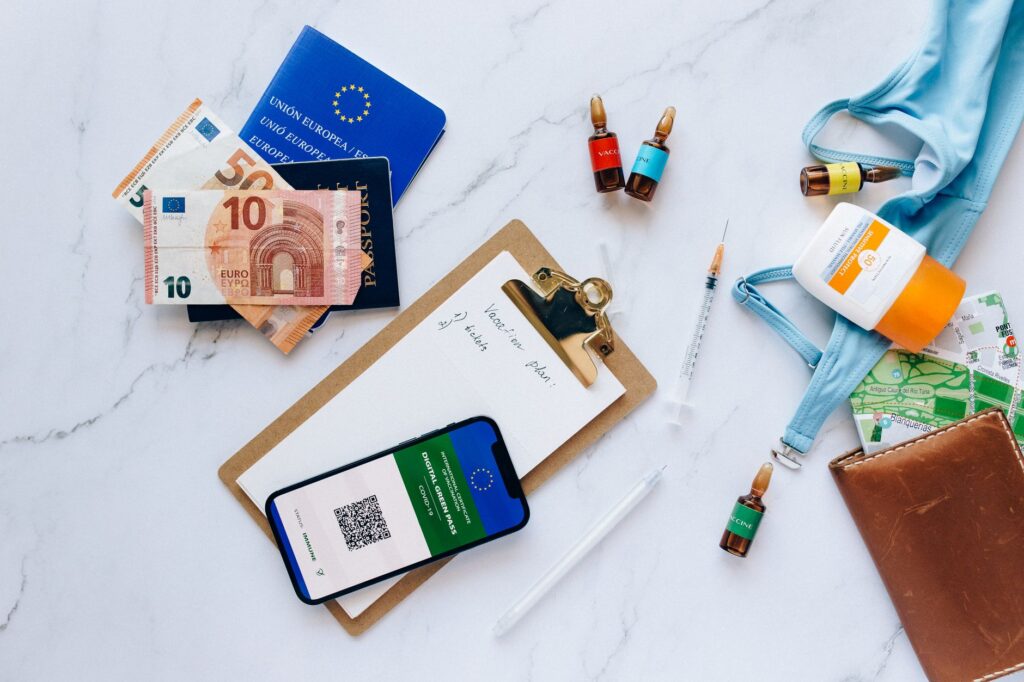
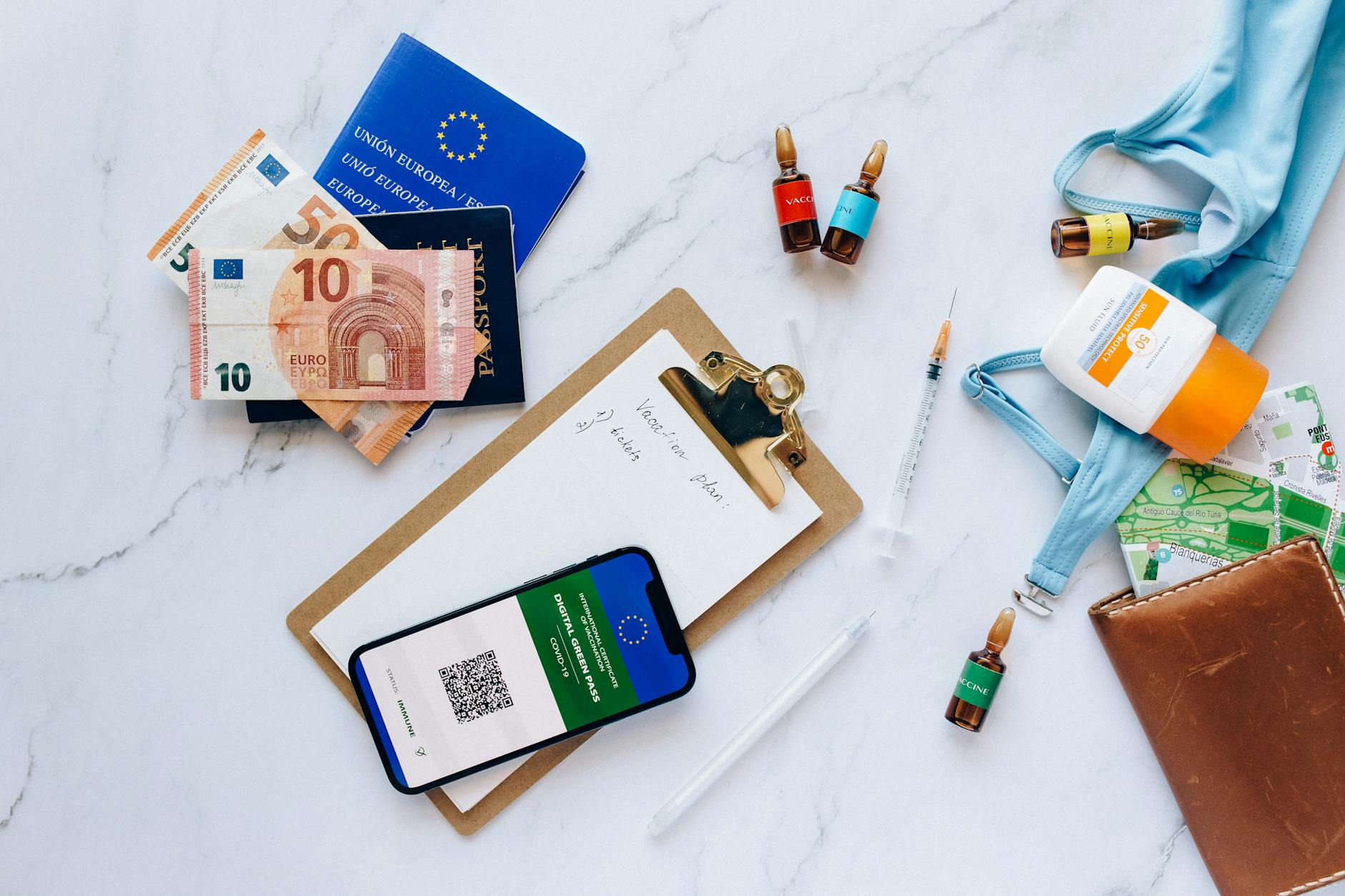
- MenACWY vaccination certificate: Issued by an official health authority, showing your name, the vaccine brand and batch, the date administered (at least 10 days before travel), and validity period [1].
- Travel insurance: It is a visa requirement for most nationalities. Check whether your policy covers COVID-19 and medical evacuation from Saudi Arabia [1].
Practical tip: Print everything. Immigration officers at Jeddah or Madinah airport may ask for physical copies of your hotel bookings, transport reservations, and vaccination certificate. Hotel Wi-Fi at 2 a.m. is not the time to be scrolling through your email. Carry a clear plastic folder with all documents, in order, ready to hand over [1].
Vaccinations: The MenACWY Requirement
Saudi Arabia requires every pilgrim aged one year and above to show proof of a quadrivalent meningococcal ACWY vaccine before entry. This is not optional, airlines check at departure, and immigration officers check on arrival. Without the certificate, you will be refused boarding or entry [1].
The rules in plain English:
- The vaccine must cover strains A, C, W, and Y (MenACWY or quadrivalent meningococcal) [1].
- It must be administered at least 10 days before you arrive in Saudi Arabia. If your flight lands on the 20th, your jab must have been done on or before the 10th [5].
- Validity: 3 to 5 years depending on the vaccine type (conjugate vaccines like Menveo or Nimenrix typically last 5 years; polysaccharide vaccines last 3 years). Check your certificate for the specific validity window [1].
- The certificate must come from an official health authority, a handwritten note from a clinic is not accepted. It needs the clinic stamp, vaccine brand and batch number, your full name, and the date [6].
- Children aged one and above need the vaccine too, the rule applies to everyone, not just adults [6].
Where to get it in the UK: Boots, Superdrug, many GP surgeries, and travel clinics offer the MenACWY vaccine. It is a private (paid) service, expect to pay around £50-70. Book at least 2-3 weeks before travel to account for the 10-day minimum window plus appointment availability [5].
What else should you consider: While MenACWY is the only mandatory vaccine, the CDC recommends being up to date on routine vaccinations including MMR, diphtheria-tetanus-pertussis, polio, and seasonal flu. These are not checked at the border, but getting sick during Umrah with something preventable is not how you want to spend your trip [1].

Nusuk: Transport, Hotels, and the Booking Reference Number
Nusuk is the official Saudi government platform for Umrah bookings. Think of it as the central hub that connects your visa application, your hotel reservations, and your transport bookings. For 2026, every Umrah pilgrim must have Nusuk-compliant bookings, the platform handles airport transfers, intercity travel between Makkah and Madinah, and departure transport [2].
What Nusuk requires you to book: [2]
- Accommodation: Every night of your stay must be linked to a Nusuk-approved hotel. Most chain hotels near the Haram are approved, but double-check before booking, a great deal on an unlisted hotel is useless if it blocks your visa [2].
- Airport transfers: Jeddah or Madinah airport to your hotel, booked through a Nusuk-linked provider. The platform connects you with licensed transport operators who issue the compliance receipts your visa application needs [3].
- Intercity travel: If your itinerary includes both Makkah and Madinah, the Makkah-Madinah leg must be booked through Nusuk as well. This is the most commonly missed step, people book hotels in both cities but forget the transport between them [3].
Booking Reference Number (BRN): This is the unique code Nusuk generates once all your bookings are linked. Your visa application cannot progress without it. Think of the BRN as the key that unlocks the visa portal, no BRN, no visa. If an agent tells you they can “sort the visa without Nusuk,” walk away. They cannot [2].
What about Indian and Pakistani passport holders: Nationals from these countries cannot self-apply directly on the Nusuk platform. They must use a Saudi-licensed Umrah travel agent who bundles the visa with Nusuk-compliant hotel and transport bookings. If you hold one of these passports, your first step is verifying the agent’s license on the official Maqam platform before handing over any money [1].

Packing: What Actually Matters (and What to Skip)
Every Umrah packing list on the internet starts with “pack light” and then recommends 47 items. Here is what you actually need, based on what pilgrims consistently forget, and what they regret carrying.
For men, Ihram essentials: [7]
- Two sets of Ihram. Do not buy the cheapest, thinnest cotton, it sticks to your skin when you sweat and becomes transparent when damp. Look for a medium-weight, non-see-through fabric. Towelling or terry cloth mixes hold up better [8].
- An Ihram belt or money belt. You will be walking, standing, and sitting for hours during tawaf and sa’i. A belt keeps your Ihram secure and gives you a place for your phone, money, and hotel key card without holding anything in your hands [1].
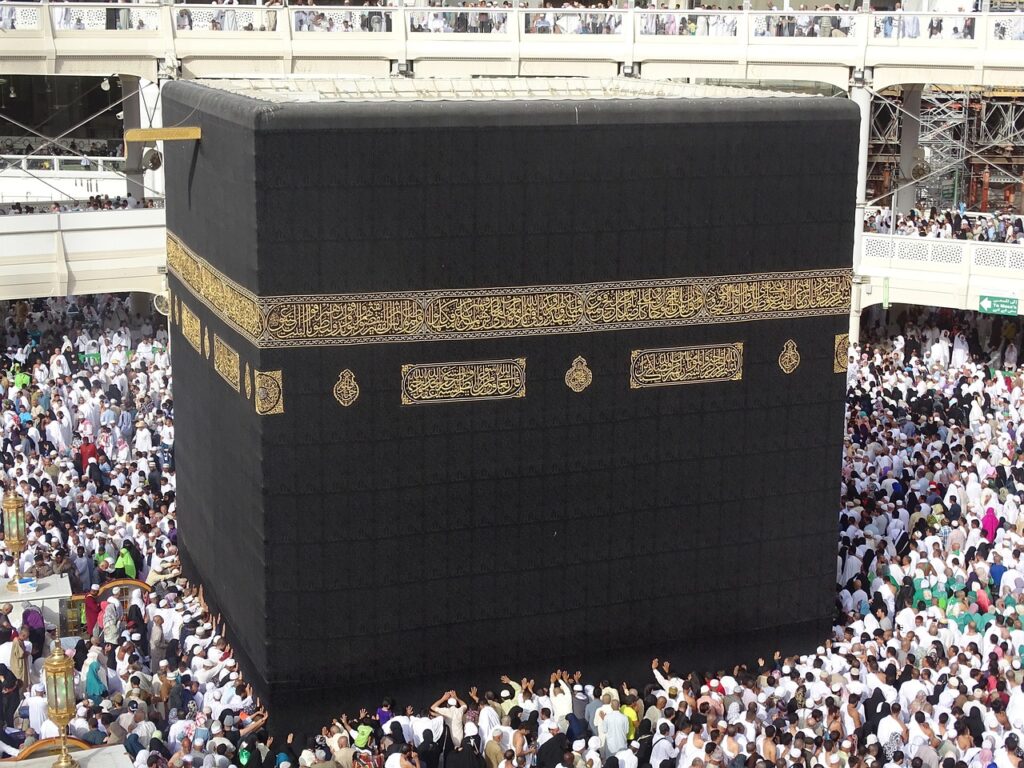
- Open sandals already broken in. Do not wear new sandals for the first time at the Haram. Walk in them at home for at least a week. The marble floors around the Kaaba are smooth but unforgiving on unbroken skin [7].
- Safety pins or Ihram clips, at least four. These are for securing your Ihram at the shoulder and waist. Regular safety pins work, but spring-loaded plastic Ihram clips are easier to manage mid-tawaf [7].
For women:
- Loose, modest clothing that covers everything except face and hands. Cotton abayas or long dresses in dark colours hide dirt and sweat better. Bring at least three outfit changes, laundry is not always convenient [1].
- Comfortable walking shoes or sandals. You will walk far more than you think. Trainers with good arch support are better than flat sandals for long distances between Safa and Marwa [8].
- Hijab pins (at least a dozen). They disappear. Bring spares and keep extras in your hotel room [1].
Everyone should pack these: [7]
- Unscented everything: While in Ihram, you cannot use scented products. That means unscented soap, unscented deodorant (yes, it exists, Mitchum and Certain Dri make unscented versions), unscented wet wipes, and fragrance-free sunscreen. Pack these in a separate pouch so you do not accidentally grab your regular scented deodorant out of habit [7].
- A reusable water bottle: Zamzam water is available in dispensers throughout the Haram. Bring a lightweight bottle to fill and carry. You will drink far more water than you expect [8].
- Basic first aid: Blister plasters (Compeed brand sticks best), paracetamol, rehydration salts (Dioralyte or similar), and any prescription medication in its original packaging with a copy of the prescription. Saudi customs can be strict about medication [8].
- A small prayer mat: The Haram floors are marble and hard on knees. A thin, foldable travel prayer mat weighs almost nothing and makes a real difference [8].
- Phone power bank: You will use your phone for the Nusuk app, QR permits, maps, translation, and photos. A 20,000 mAh power bank keeps you charged through long days at the Haram [1].
What NOT to pack:
- Too many outfits. You are in Ihram for a significant portion of the trip, and your regular clothes are only for between-ritual periods. Two or three changes are plenty [7].
- Large prayer books or dua collections. There are free copies available at the Haram, and phone apps are more practical [8].
- Expensive jewellery or watches. They attract attention, they are a hassle during wudu, and hotel safes are not always reliable [1].
Money: Cash, Cards, and How Much SAR to Carry
Saudi Arabia is increasingly card-friendly, supermarkets, shopping malls, fuel stations, and most restaurants in Makkah and Madinah accept contactless payments. But street vendors, small taxi drivers, Zamzam water carriers, and luggage porters operate on cash. You need a mix of both [4].
How much cash to bring: For a 10-14 day Umrah trip, SAR 1,500 to SAR 2,500 in cash is a realistic budget for personal expenses, taxis between your hotel and the Haram (if not walking distance), street food, tips, small purchases, and emergencies. Break it into SAR 100, 50, and 10 notes. SAR 500 notes are hard to spend at a tea stall [4].
Cards and ATMs:
- Bring at least two cards, one Visa and one Mastercard, from different banks. Saudi ATMs sometimes reject foreign cards for no obvious reason, and having a backup card on a different network avoids the panic [1].
- Notify your bank before you travel. A blocked card in Makkah is harder to unblock than one at home [1].
- Exchange rates at Saudi ATMs are generally better than currency exchange counters at the airport. Withdraw SAR from an ATM on arrival rather than carrying large amounts of foreign cash to convert, but check your bank’s foreign withdrawal fees first. Some UK banks like Starling and Monzo offer fee-free overseas withdrawals [1].
Budget estimate for a 10-day DIY Umrah:
- Food and drink: SAR 50-100 per day if eating at local restaurants and street stalls; SAR 100-200 if eating at hotel restaurants [1].
- Local transport (taxis, ride-hailing): SAR 20-50 per trip within Makkah; SAR 300-500 for a Makkah-Madinah private transfer [3].
- Shopping and gifts: Budget SAR 200-500 depending on how many relatives are expecting Zamzam and dates [1].
- Tips and incidentals: SAR 5-20 per service (porters, Zamzam carriers, restroom attendants). Carry SAR 50 in small notes specifically for tips [4].

What People Forget and How to Avoid It
These are the things experienced pilgrims see first-timers trip over every single season. They are all avoidable with a bit of advance planning [1].
1. Not checking passport blank pages until the visa appointment. Saudi immigration requires two facing blank pages, not just any two blank pages, but two that face each other. If your passport is nearly full, renew it before you apply. A visa application with insufficient blank pages will be rejected, and you will lose the application fee [1].
2. Booking flights before securing the visa. It is tempting to grab a cheap fare, but if your visa is delayed or rejected, flexible or refundable tickets save you thousands. At minimum, check your airline’s cancellation policy before you book [1].
3. Leaving the MenACWY vaccine too late. The 10-day minimum is counted from the date of arrival, not departure. If your flight lands on a Friday and you got the jab the previous Monday, you are 5 days short. Airlines check at check-in, they will deny boarding [5].
4. Assuming hotel Wi-Fi is reliable. It is not. Download the Nusuk app, your QR permits, offline Google Maps for Makkah and Madinah, and any dua or Quran apps before you leave home. Screenshots of your bookings are not enough, you need the actual Nusuk app with live access [2].
5. Packing scented toiletries by accident. Even “lightly fragranced” counts. While in Ihram, scented products invalidate the state. Pack unscented toiletries in a separate zip-lock bag and label it “IHRAM ONLY” so you do not mix them up with your regular items [7].
6. Carrying too much cash in one place. Split your money, keep some in your money belt, some in your hotel safe, and a small amount (SAR 100-200) in an accessible pocket for tips and small purchases. If you lose one stash, you still have the others [4].
FAQ
Do children need the meningitis vaccine for Umrah? [1]
Yes. The MenACWY requirement applies to everyone aged one year and above. Babies under one year are exempt, but they still need a valid passport and visa [1].
Can I use the Nusuk app if I am an Indian passport holder? [2]
You can download and explore the Nusuk app, but you cannot self-apply for a visa or complete bookings on your own. Indian and Pakistani passport holders must go through a Saudi-licensed Umrah travel agent who handles Nusuk compliance, visa processing, and the BRN on your behalf [1].
I already had the meningitis vaccine two years ago. Do I need another one? [1]
Check your certificate. Conjugate MenACWY vaccines (Menveo, Nimenrix) are valid for 5 years. Polysaccharide vaccines are valid for 3 years. If your certificate is still within its validity window and shows you received it at least 10 days before your arrival date, you are covered. If the certificate is expired, you need a new dose [1].
What is the best way to get from Jeddah airport to Makkah? [3]
Book through Nusuk or a licensed Nusuk-integrated provider. Private sedan (SAR 200-300 for up to 4 passengers) or shared shuttle (SAR 50-80 per person). The Nusuk platform will show options and prices for your specific dates. Do not accept rides from unlicensed drivers at the airport, they are not Nusuk-compliant and your booking will not show a BRN [3].
Is SAR 2,000 enough cash for a 10-day Umrah trip? [4]
For personal expenses only (food, local transport, small purchases, tips), yes, SAR 1,500-2,500 is realistic. If you plan to do significant shopping, carry more or budget for ATM withdrawals. Your hotel, flights, and Nusuk bookings should already be paid for before you travel [4].
What happens if my visa is rejected after I have already booked flights and hotels? [1]
You lose the visa application fee. Flights: if you booked refundable or flexi tickets, you can cancel for a refund or credit. Non-refundable tickets are lost unless you have travel insurance that covers visa rejection (check the fine print, many policies exclude it). Hotels booked directly are often cancellable up to 24-48 hours before check-in. Nusuk transport bookings may have their own cancellation terms. The takeaway: book refundable flights and hotels with free cancellation until your visa is confirmed [1].
Next Steps
Here is the order to do things: get your MenACWY vaccine first (it has a 10-day clock), then book your Nusuk hotel and transport to get your BRN, then apply for your visa, then book flights (refundable until the visa is confirmed), and only then start packing. If you reverse this order, you risk booking non-refundable flights for a trip you cannot yet enter the country for. Print everything, split your cash, download the Nusuk app offline, and you are ready [2].
Notes
- [1] Wego Travel Blog, Umrah Essentials: Complete Packing Checklist for Men and Women for Umrah 2026. https://blog.wego.com/umrah-essentials/
- [2] CDC Travelers’ Health, Saudi Arabia vaccination requirements for Hajj and Umrah pilgrims. https://wwwnc.cdc.gov/travel/destinations/traveler/none/saudi-arabia
- [3] UmrahTransit, Nusuk Platform 2026: How to Book Mandatory Transport for Umrah Visa. https://umrahtransit.com/blog/nusuk-platform-2026-mandatory-transport-booking-visa-guide
- [4] Islamic Info Center, Hajj Checklist 2026: money and cash advice for pilgrims. https://islamicinfocenter.com/hajj-checklist-2026/
- [5] UK Health Security Agency (Gov.uk), Meningitis vaccination requirement for Hajj and Umrah pilgrims. https://www.gov.uk/government/news/ukhsa-urges-hajj-and-umrah-pilgrims-to-get-meningitis-vaccination
- [6] Meningitis Research Foundation, Vaccination for Hajj and Umrah pilgrims. https://www.meningitis.org/meningitis/vaccine-information/vaccination-for-hajj-and-umrah-pilgrims
- [7] LoveUmrah, Umrah Packing List 2026: Checklist, Ihram Kit, Makkah and Madinah essentials. https://loveumrah.com/blog/umrah-packing-list-2026-checklist-ihram-kit-makkah-madinah
- [8] HajjUmrahPlanner, Hajj and Umrah Checklist and Packing Guide 2026. https://hajjumrahplanner.com/checklist/