Last updated: 2026-06-08
If you’re planning Umrah on your own, the Saudi tourist e-visa is the easiest entry route available right now. It’s fast, it’s multi-entry, and it covers Umrah directly[1]. No separate Umrah visa needed. This guide walks you through who’s eligible, exactly what it costs, how long approval takes, and the fine-print rules you don’t want to learn the hard way. By the end, you’ll know whether the eVisa or visa-on-arrival route makes more sense for your trip, and what to check before you hit “apply.”
Quick answer: The Saudi tourist e-visa is available to citizens of 66 countries, including Singapore, Malaysia, Brunei, all EU states, the US, Canada, UK, Australia, New Zealand, Japan, and South Korea[1]. It costs SAR 535 online (about USD 142) or SAR 480 on arrival (about USD 128)[3]. Processing takes 5 to 30 minutes online with near-instant approval in most cases[3]. The visa is valid for one year, multiple entry, and allows stays of up to 90 days per visit[1]. It covers Umrah (excluding Hajj season), tourism, events, family visits, and leisure activities[1]. If your country isn’t on the 66-country list, you’ll need to go through the nearest Saudi embassy or consulate[1].
What’s in this guide
- Who can apply for the Saudi tourist e-visa [1]
- What the tourist e-visa costs: online vs on arrival [3]
- How long it takes to get approved [3]
- What the tourist e-visa actually covers [1]
- Key things to know before you apply [3]
- Common mistakes people make
- Quick questions people actually ask
Who can apply for the Saudi tourist e-visa
The Saudi tourist e-visa is open to passport holders from 66 countries[1]. If you’re from Singapore, Malaysia, or Brunei, you’re on the list. So is every EU and Schengen country, the US, Canada, the UK, Australia, New Zealand, Japan, South Korea, and China[1].
Here’s the full eligible list as of June 2026[1]:
- Asia-Pacific: Singapore, Malaysia, Brunei, China (including Hong Kong and Macau), Japan, South Korea, Australia, New Zealand, Kazakhstan [1]
- Europe (EU/Schengen): Austria, Belgium, Bulgaria, Croatia, Cyprus, Czech Republic, Denmark, Estonia, Finland, France, Germany, Greece, Hungary, Iceland, Ireland, Italy, Latvia, Liechtenstein, Lithuania, Luxembourg, Malta, Monaco, Netherlands, Norway, Poland, Portugal, Romania, Slovakia, Slovenia, Spain, Sweden, Switzerland [1]
- Americas: United States, Canada, Panama [1]
- UK and others: United Kingdom, Andorra, San Marino, Montenegro, Ukraine, Russia, Turkey, South Korea, Japan, Mauritius, Seychelles, South Africa, Thailand [1]
If your country isn’t listed here, the online portal won’t accept your application. Your next step is to contact the nearest Saudi embassy or consulate for visa options[1]. Don’t book flights hoping the list will expand. The country list hasn’t changed dramatically since the tourist visa launched, and embassy staff can tell you what your actual options are.
What the tourist e-visa costs: online vs on arrival
There are two ways to get the tourist visa, and the price difference isn’t big, but it’s worth understanding.
Online eVisa: SAR 535 (about USD 142)[3]. Here’s what you’re paying for:
- Government visa fee: SAR 300 [3]
- Mandatory medical insurance: SAR 180 (includes VAT). This covers up to SAR 100,000 in medical expenses including emergency treatment, hospital admission, diagnostic services, and COVID-19 treatment[3]
- Online platform processing fee: SAR 55 [3]
Visa on arrival: SAR 480 (about USD 128)[3]. You save SAR 55 because you skip the online platform fee. The visa you get is identical: same one-year validity, same multiple entries, same 90-day-per-visit limit[3]. The medical insurance is still included with the same SAR 100,000 coverage[3].
Which one should you pick? If you like having everything sorted before you fly, pay the extra SAR 55 and apply online at visa.visitsaudi.com. If you don’t mind a short queue at the airport and want to save a bit, visa on arrival works fine, assuming your nationality is on the eligible list[1].
One thing to know: the online platform accepts Visa and Mastercard. Some travellers have reported issues with cards from certain banks. If the payment fails, try a different card or just get the visa on arrival instead.
How long it takes to get approved
The online eVisa is fast. Most applications are approved within 5 to 30 minutes, and many come through instantly[3]. You’ll get the visa by email as a PDF. Print a copy and keep it on your phone too.
Visa on arrival at Saudi airports (including Jeddah, Madinah, Riyadh, and Dammam) is processed at dedicated kiosks. Expect 10 to 20 minutes depending on the queue.
There’s no interview, no invitation letter, no hotel booking requirement for the tourist e-visa itself. But immigration may ask to see your return ticket and accommodation details when you land, so have those ready.
What the tourist e-visa actually covers
The tourist e-visa is a one-year, multiple-entry visa. You can enter and leave Saudi Arabia as many times as you want within that year, with each stay capped at 90 days[1].
Permitted activities include[1]:
- Tourism and sightseeing [1]
- Umrah (excluding Hajj season) [1]
- Events and exhibitions [1]
- Family and relative visits [1]
- Leisure travel [1]
What it does not cover: studying, working, or performing Hajj[1]. If you’re caught working on a tourist visa, the penalties are serious. You risk fines, deportation, and a potential re-entry ban[3].
This is the practical bit most DIY pilgrims miss: you don’t need a separate Umrah visa if you’re from an eligible country. The tourist e-visa covers your Umrah directly[1], and you book your Umrah permit through the Nusuk app[1] once you’re in the country. The only time you can’t use the tourist visa for Umrah is during the official Hajj season[1], roughly the month of Dhul Hijjah when entry to Makkah is restricted to Hajj permit holders.
Key things to know before you apply
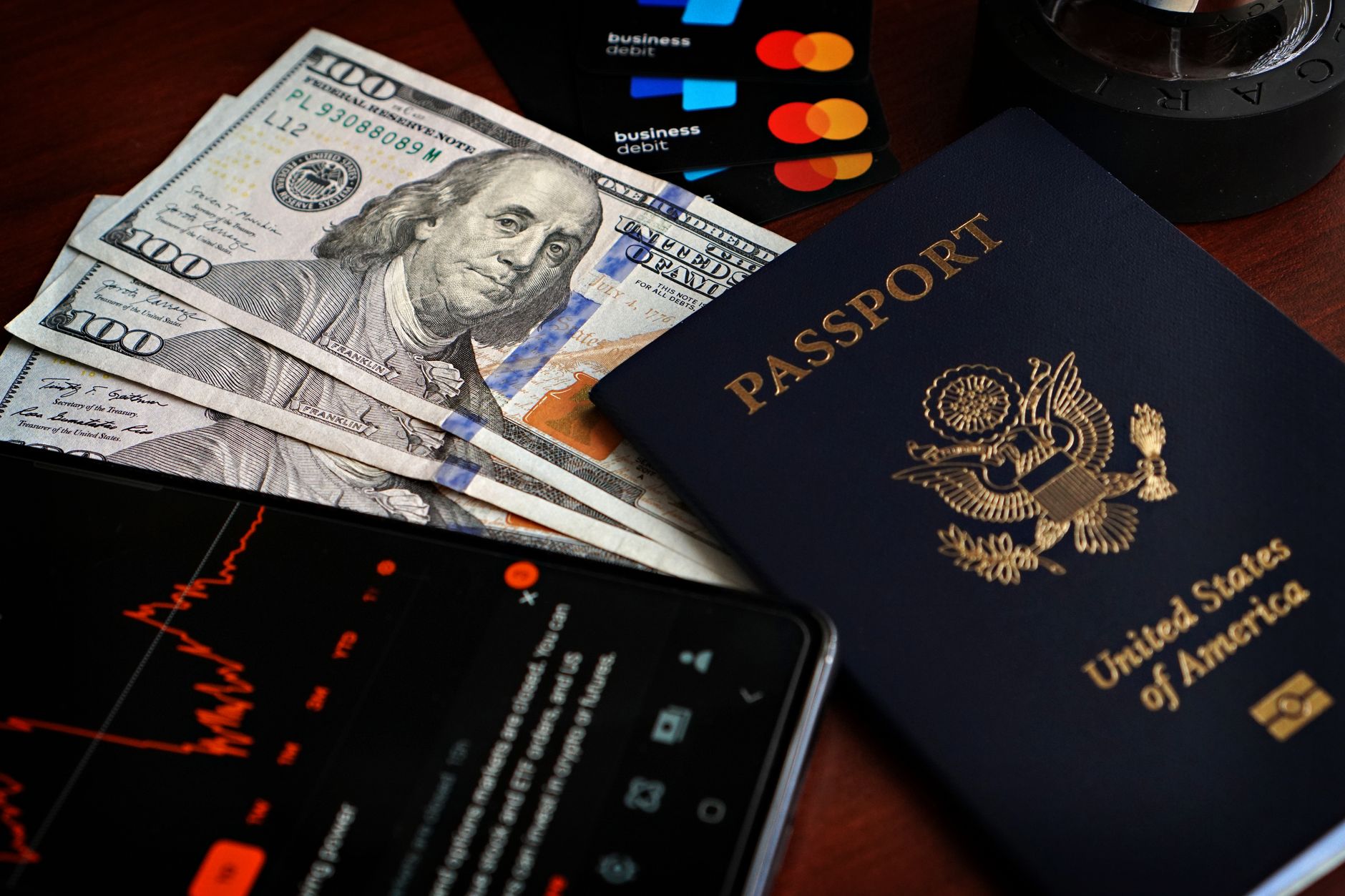
Passport validity. Your passport must have at least 6 months of validity from your planned entry date[3]. This is non-negotiable. If your passport expires in 5 months, renew it before applying.
Medical insurance is built in. You don’t need to buy separate travel insurance for the visa application. The mandatory SAR 180 insurance included in the visa fee covers you for up to SAR 100,000 (about USD 27,000) in emergency medical expenses[3]. This includes emergency hospital admission, diagnostic services, prescription medications in emergencies, and COVID-19 treatment as of 2026[3]. If you want trip cancellation, lost baggage, or other non-medical coverage, you’ll need a separate policy. That’s optional.
Overstay penalties are steep. If you stay beyond your 90-day limit, you’ll be fined SAR 100 per day[3]. Repeated violations escalate fast: up to SAR 15,000 for a first major overstay, SAR 25,000 plus deportation for a second, and up to SAR 50,000 with up to 6 months imprisonment and a permanent ban for a third[3]. The system tracks entries and exits automatically, so don’t assume you can slip through.
The visa doesn’t guarantee entry. The eVisa gets you to the border. The immigration officer at the airport still has the final say. Have your return ticket, accommodation booking, and a printed copy of your visa ready when you land.
You apply at visa.visitsaudi.com. That’s the only official portal[1]. There are third-party sites that look official but charge extra[1], sometimes double. Type the URL directly. Don’t search for it and click the first result.
Common mistakes people make
- Applying on a fake site. The official portal is visa.visitsaudi.com. Third-party sites often appear above it in search results. They’ll charge you more for the same visa[1].
- Not checking passport validity first. At least 6 months from your planned entry date is required[3]. If you apply with 5 months left, you’ll be rejected and you may not get a refund.
- Assuming the eVisa covers Hajj. It doesn’t. The tourist visa covers Umrah but not Hajj[1]. If you’re caught in Makkah during Hajj season without a Hajj permit, you face fines and detention[3].
- Overstaying “just a few days.” SAR 100 per day adds up, and repeated violations lead to deportation and bans[3]. Set a calendar reminder for your departure date.
- Buying separate insurance unnecessarily. The visa already includes SAR 100,000 in emergency medical coverage[3]. Unless you want trip cancellation or baggage protection, you don’t need an extra policy.
- Not printing the visa. Having it on your phone is fine, but print a copy too. Airline check-in staff sometimes ask for a physical copy before letting you board.
Quick questions people actually ask
Can I perform multiple Umrahs on one tourist e-visa?
Yes, within the one-year validity period[1]. Each individual stay is capped at 90 days[1], and you need a Nusuk permit for each Umrah you want to perform[1]. Many pilgrims do one Umrah, leave to Madinah or another city, then return and do another.
Do I need a separate Umrah visa if I’m from an eligible country?
No. The tourist e-visa covers Umrah directly[1]. You don’t need to apply for anything else. Just book your Umrah permit through Nusuk once you’re in Saudi Arabia[1].
What if I’m travelling with family? Can I apply for everyone at once?
Yes. The online portal lets you submit a group application. Each person needs their own passport, photo, and payment. You can handle it all in one session. Children and dependents are included.
Can I extend my stay beyond 90 days?
No. The 90-day limit per visit is fixed[1]. If you need more time, you’d need to leave the country and re-enter on the same visa (since it’s multiple entry) for a fresh 90-day period. Overstaying triggers daily penalties of SAR 100[3].
What happens if my eVisa application gets rejected?
Rejections aren’t common for eligible nationalities with valid passports, but if it happens, check that your passport photo meets the requirements, your passport has at least 6 months validity[3], and your personal details match your passport exactly. You can reapply. The fee is generally non-refundable[3], so double-check everything before submitting.
Does the tourist e-visa let me visit both Makkah and Madinah?
Yes. The tourist visa covers the entire country[1]. You can enter through Jeddah or Madinah airport, travel between cities freely, and visit any destination in Saudi Arabia during your stay.
Next steps
Once your tourist e-visa is sorted, the next practical move is downloading the Nusuk app and setting up your account. You’ll need it to book your Umrah permit[1] and, if you’re visiting Madinah, a Rawdah slot. If you’re flying into Jeddah, book your Haramain train ticket or airport transfer ahead of peak times. And if you haven’t checked your passport expiry date yet, go do that now.
This article is correct as of 2026-06-08.
Notes
- [1] Source: Saudi eVisa Official Portal, visa.visitsaudi.com. Accessed 2026-06-08.
- [2] Source: Saudi National Platform (Unified Government Platform), my.gov.sa/en/content/tourism. Accessed 2026-06-08.
- [3] Source: House of Saud, “Saudi Arabia Tourist Visa Cost: Fees, Insurance and What Is Included,” houseofsaud.com/travel/saudi-tourist-visa-cost. Published 2026-05-28, field-verified. Accessed 2026-06-08.
🏨 Cari Hotel di Makkah & Madinah
Bandingkan harga hotel berdekatan Masjidil Haram dan Masjid Nabawi.
Widget oleh Travelpayouts
✈️ Cari Tiket Penerbangan ke Arab Saudi
Cari tiket dari lapangan terbang anda ke Jeddah (JED) atau Madinah (MED). Harga dari pelbagai syarikat penerbangan.
Widget oleh Travelpayouts