
Last updated: 2026-06-17
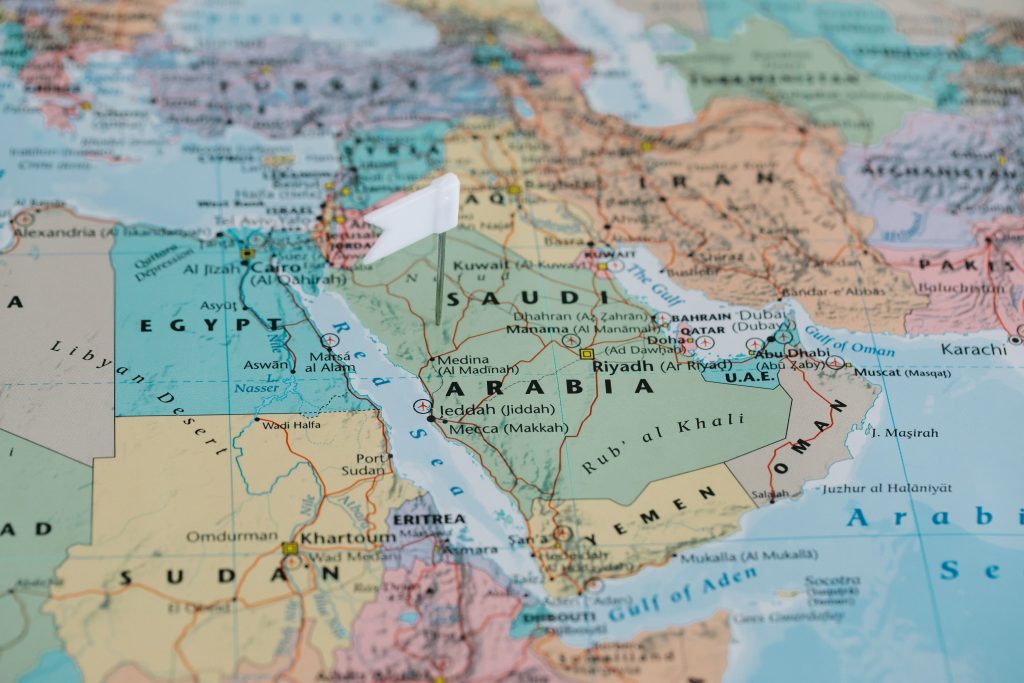
If you’re living in Dubai, Doha, Kuwait City, Manama, or Muscat and planning Umrah, the term “GCC resident” matters a lot more than you might think. Saudi Arabia has steadily opened up access for expats across the Gulf, and as of 2026, the rules are more flexible than they’ve ever been. But “GCC resident” isn’t a single visa category, it’s a status that unlocks multiple visa paths, each with its own application process, cost, and set of rules. This guide walks through what qualifies, which visa route makes the most sense for your situation, and what the Nusuk platform demands before you travel [claim 1] [1].
Quick answer: A “GCC resident” is any expatriate holding a valid residence permit (iqama) in a Gulf Cooperation Council country: UAE, Saudi Arabia, Qatar, Kuwait, Bahrain, or Oman. GCC residents can perform Umrah using three different visa types: a tourist eVisa through ksavisa.sa, an Umrah-specific visa through nusuk.sa, or a transit visa through Saudia or Flynas [claim 2] [2]. The tourist eVisa is one year, multiple entry, with a 90-day stay limit and costs ~300 SAR plus medical insurance [claim 7] [claim 9] [3]. Every traveller must also book an Umrah permit through the Nusuk app regardless of which visa they enter on [claim 3] [4].
Table of contents
- Who actually qualifies as a GCC resident
- The three visa routes available to GCC residents
- Tourist eVisa: the most flexible option for most people
- Umrah-specific visa via Nusuk: when you need it [11]
- Nusuk permits: the step nobody can skip [3]
- What it actually costs [9]
- Common mistakes GCC residents make
- FAQ
Who actually qualifies as a GCC resident
If you hold a valid residence visa in any of the six GCC countries, you’re a GCC resident for Umrah visa purposes. That includes expats in the UAE (Dubai, Abu Dhabi, Sharjah), Qatar, Kuwait, Bahrain, Oman, and Saudi Arabia itself. Saudi iqama holders are GCC residents too, though they’re already inside the country so the entry-visa question doesn’t apply to them in the same way [claim 8] [5].
The specific requirements are straightforward. Your GCC residence permit needs at least 3 months of validity remaining when you apply. Your passport needs 6 months minimum from your planned travel date. And the old profession restrictions that used to block certain job categories from applying have been removed, so all expatriate residents can now apply regardless of what you do for work [claim 8] [6].
First-degree relatives and domestic workers travelling with the sponsor are also eligible, as long as they hold valid residency and travel together with the main resident visa holder. So if you’re planning a family Umrah trip from Dubai or Doha, your spouse, children, parents, and household staff can all be included under the same application umbrella [claim 10] [7].
The three visa routes available to GCC residents
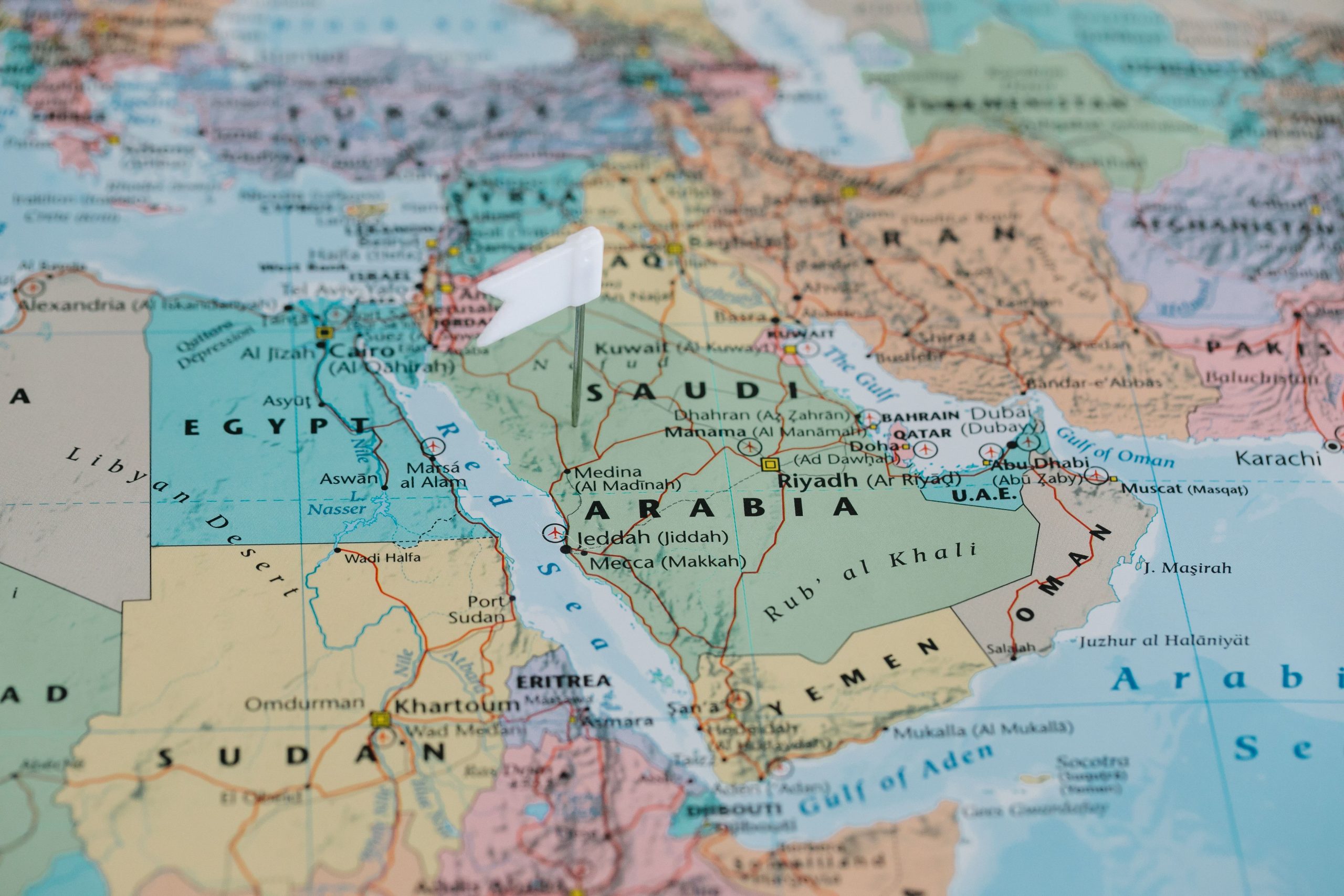
Saudi Arabia gives GCC residents three distinct paths to enter for Umrah. Each one works differently, and which one you pick depends on your nationality, how long you want to stay, and whether you need a standalone Umrah-specific visa or can use a broader tourist entry [claim 2] [8].
The routes are [claim 2] [9]:
- Tourist eVisa: applied through the ksavisa.sa portal. One year validity, multiple entry, 90 days per visit. Covers tourism and Umrah outside Hajj season. This is the route most GCC residents with eligible nationalities should take [claim 7] [10].
- Umrah-specific visa: applied through nusuk.sa. Shorter validity (1 month as of the October 2025 update). Requires an approved hotel booking on the Nusuk Masar platform before the visa is issued. Useful if your nationality doesn’t qualify for the tourist eVisa [claim 4] [claim 11] [11].
- Transit visa: issued through Saudia and Flynas when you book a flight with a layover in Saudi Arabia. Short duration but can be used for Umrah if you plan your stopover around it [claim 2] [12].
Which route you pick mainly comes down to your passport. The tourist eVisa eligibility is determined by nationality through an interactive tool on the Visit Saudi website, not by your GCC residency status. Your GCC residency is what allows you to use the one-year multiple-entry version of the eVisa rather than a shorter single-entry variant [claim 6] [13].
Tourist eVisa: the most flexible option for most people
For most GCC expats with eligible nationalities, the tourist eVisa is the obvious choice. It’s a one-year, multiple-entry permit that lets you stay up to 90 days per visit. You can use it for tourism and Umrah throughout the year, with the only exclusion being Hajj season. That means multiple Umrah trips on a single visa if you time them within the 90-day windows [claim 7] [14].
What makes this route particularly useful is that tourist visa holders are explicitly allowed to visit Makkah and Al Madinah and perform Umrah. This isn’t a grey area or a workaround; it’s an established policy confirmed by the official Visit Saudi platform [claim 5] [15].
The application process is entirely online. You check your eligibility by nationality on the Visit Saudi website using their interactive dropdown tool, then apply through the ksavisa.sa portal. The base fee is approximately 300 SAR, and the system bundles mandatory medical insurance from a listed provider. Processing typically takes minutes to a few days, though peak seasons can slow things down [claim 6] [claim 9] [16].
Umrah-specific visa via Nusuk: when you need it
If your nationality doesn’t show up as eligible on the Visit Saudi tourist eVisa tool, the Umrah-specific route through nusuk.sa is your fallback. It’s more restrictive. As of October 2025, these visas were shortened from 3 months to 1 month, so you get a tighter window [claim 11] [17].
The big constraint here is the Nusuk Masar hotel booking requirement. No Umrah visa will be issued without an approved hotel booking on the Nusuk Masar platform. You can’t just book any hotel on Booking.com or Agoda and expect the visa to go through. The accommodation must be booked through the Masar system linked to your Nusuk application [claim 4] [18].
This is also the route where the October 2025 policy update matters most. Saudi Arabia now allows any foreign national holding any valid Saudi visa to perform Umrah, provided they book through the Nusuk platform. So even if you enter on a business visa or a family visit visa, you can still perform Umrah as long as you’ve secured a Nusuk permit [claim 11] [19].
Nusuk permits: the step nobody can skip
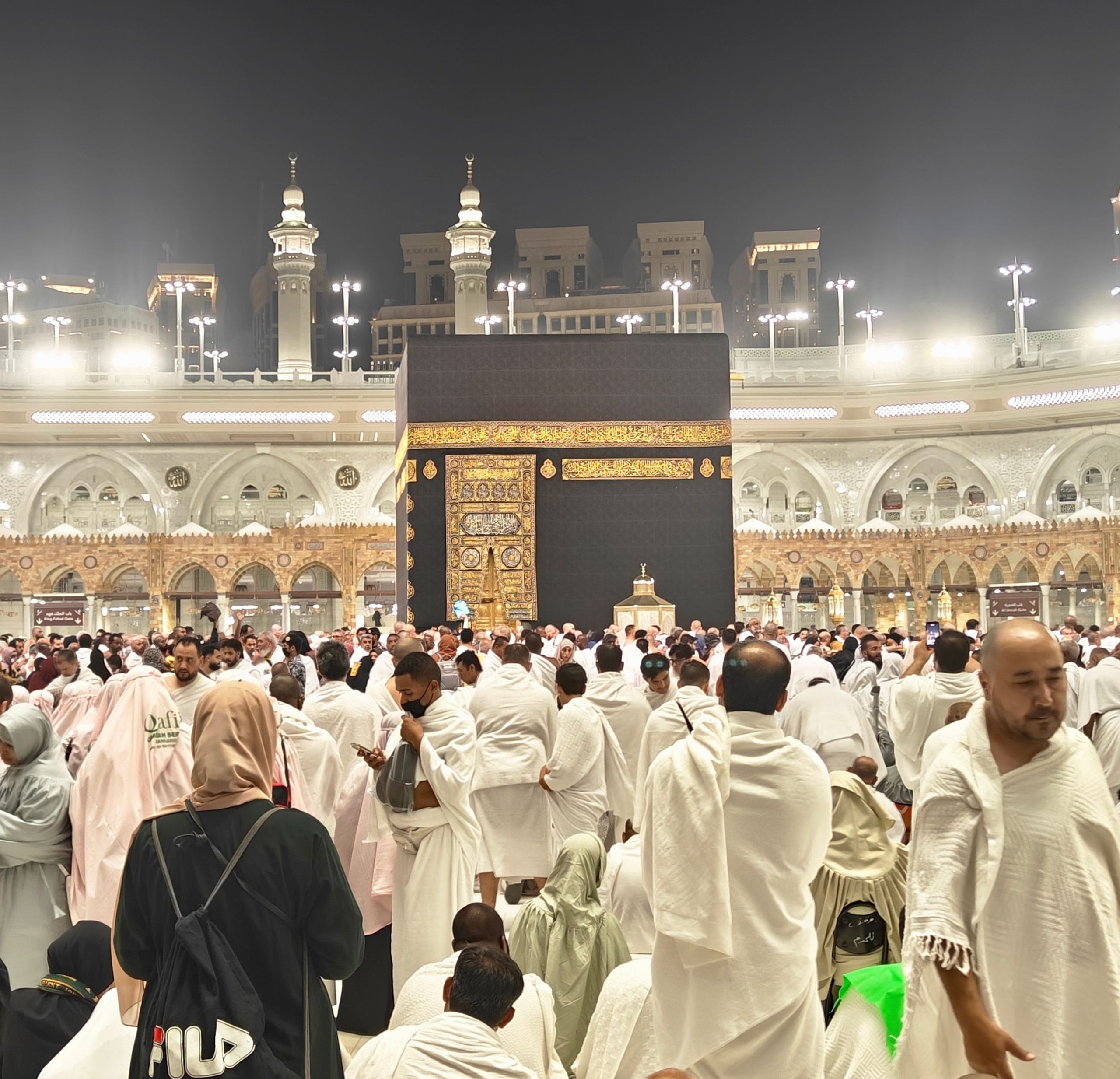
Regardless of which visa you enter on, the Nusuk app is mandatory for two things: an Umrah permit and a permit to pray in the Rawdah Al Sharifah at the Prophet’s Mosque in Madinah. There’s no way around this. Even if you hold a valid tourist eVisa and have entered legally, you still need an active Nusuk permit to access the mataf area for Umrah [claim 3] [20].
The permit system allocates time slots, and during peak periods like Ramadan or school holidays, slots can fill up fast. If you’re travelling from the UAE or Qatar on a weekend trip, book your Nusuk slot as soon as your travel dates are locked in. Don’t assume you can sort it out on arrival [claim 3] [21].
What it actually costs
The numbers aren’t complicated but people still get surprised. The base tourist eVisa fee is approximately 300 SAR, roughly US$80. On top of that, the system bundles mandatory medical insurance from a listed provider. The insurance cost varies by provider and your age but is added automatically during the application. You’ll see the total before you pay. Processing typically takes minutes to a few days, so don’t leave it until the night before your flight [claim 9] [22].
For the Umrah-specific visa route, the visa fee is in a similar range but you also have the Masar hotel booking cost. Since that has to be an approved booking on the platform, prices may be higher than what you’d find on third-party booking sites. Budget accordingly. The total cost for an Umrah trip from Dubai or Doha, including visa, flights, hotel, and transport, can vary widely, but the visa component itself is relatively fixed [claim 4] [claim 9] [23].
Common mistakes GCC residents make
- Assuming GCC residency alone is a visa. Living in Dubai doesn’t give you a Saudi visa. Your GCC residency is what qualifies you for certain visa types, but you still have to apply online and get approved before travelling. Showing up at the border with just your Emirates ID won’t work [claim 2] [24].
- Skipping the Nusuk permit because you have a visa. A tourist eVisa gets you into the country, but it doesn’t give you automatic access to perform Umrah. You need a separate Nusuk permit. People get turned away at the Haram gates every season because they assumed the visa was enough [claim 3] [25].
- Letting the residence permit validity slip. You need at least 3 months left on your GCC iqama or residence visa when you apply. If you’re coming up on renewal, handle that first. The system will reject an application with a short-validity residency document [claim 8] [26].
- Booking a hotel outside Masar for the Umrah-specific visa. If you’re applying through nusuk.sa, your hotel booking must be on the Nusuk Masar platform. A third-party booking won’t satisfy the visa requirement. Check before you book [claim 4] [27].
- Assuming the tourist eVisa covers Hajj. It doesn’t. The tourist eVisa explicitly excludes Hajj season. If you’re planning Hajj, you need a completely different visa category. The eVisa is for tourism and Umrah only, outside the Hajj period [claim 5] [28].
FAQ
Do I need a visa if I’m a GCC resident with an eligible nationality?
Yes. Your GCC residency qualifies you for the one-year multiple-entry tourist eVisa, but you still need to apply for it through ksavisa.sa. The residency is your eligibility gateway, not a visa replacement [claim 6] [claim 7] [29].
Can I perform Umrah on a Saudi tourist visa?
Yes. Tourist visa holders are explicitly permitted to perform Umrah and visit both Makkah and Al Madinah. The only restriction is that you cannot use the tourist visa during Hajj season [claim 5] [30].
How long does the tourist eVisa take to process?
Typically minutes to a few days. Many GCC residents report near-instant approval, but during peak seasons processing can slow down. Apply at least a week before your planned travel to be safe [claim 9] [31].
What if my nationality isn’t eligible for the tourist eVisa?
Apply for the Umrah-specific visa through nusuk.sa. You’ll need an approved hotel booking on the Nusuk Masar platform first. The visa is shorter (1 month) and more restrictive but gets the job done [claim 4] [claim 11] [32].
Can I bring my family on the same GCC resident visa?
Yes, first-degree relatives and domestic workers travelling with the sponsor are eligible, provided they hold valid GCC residency and travel together with the main resident visa holder. Each person still needs their own visa application [claim 10] [33].
Do I need a Nusuk permit if I’m entering on a tourist visa?
Yes. A Nusuk permit for Umrah and for Rawdah prayer is mandatory for everyone, regardless of the visa type you used to enter Saudi Arabia. No exceptions [claim 3] [34].
Next steps
Start by checking your nationality on the Visit Saudi website’s eligibility tool. If you qualify, go straight for the tourist eVisa at ksavisa.sa. It’s cheaper per-trip if you plan to do Umrah more than once in a year and you get the full 90-day stay limit per visit [claim 6] [claim 7] [35]. If your nationality doesn’t qualify, open nusuk.sa, secure your Masar hotel booking, and apply for the Umrah-specific visa. Either way, install the Nusuk app on your phone and book your Umrah and Rawdah permits as soon as your dates are confirmed. Slots disappear fast during popular travel windows [claim 3] [claim 4] [36].
Notes
- [1] Gulf News, “Saudi Arabia: GCC citizens and residents can now perform Umrah anytime,” 2026-06-17. Saudi Arabia’s Ministry of Hajj and Umrah expanded Umrah access for GCC citizens and residents, allowing year-round Umrah through all land, air, and sea ports.
- [2] Gulf News, 2026-06-17. GCC residents can use multiple visa types: Umrah visa via nusuk.sa, transit visa via Saudia/Flynas, and tourist visa via ksavisa.sa.
- [3] travel-buddy.ai, “Saudi One-Year Multiple Entry eVisa for GCC Residents,” 2026-06-17. One-year, multiple-entry permit, 90-day stay limit per visit.
- [4] Gulf News, 2026-06-17. A prior Nusuk permit is mandatory for Umrah and for Rawdah Al Sharifah prayer.
- [5] travel-buddy.ai, 2026-06-17. GCC expat residents must hold a valid GCC residence permit with at least 3 months validity, passport valid 6+ months.
- [6] travel-buddy.ai, 2026-06-17. Profession restrictions have been removed; all expatriate residents can apply.
- [7] travel-buddy.ai, 2026-06-17. First-degree relatives and domestic workers travelling with the sponsor are eligible, provided they hold valid residency.
- [8] Gulf News, 2026-06-17. GCC residents can use multiple visa types for Umrah.
- [9] Gulf News, 2026-06-17. Three visa routes: Umrah visa (nusuk.sa), transit visa (Saudia/Flynas), tourist visa (ksavisa.sa).
- [10] travel-buddy.ai, 2026-06-17. Tourist eVisa for GCC residents: one-year, multiple-entry, 90-day stay limit.
- [11] Gulf News, 2026-06-17. No Umrah visa is issued without an approved hotel booking on the Nusuk Masar platform. travel-buddy.ai, 2026-06-17. October 2025 update: Umrah-specific entry visas shortened to 1 month.
- [12] Gulf News, 2026-06-17. Transit visa issued through Saudia and Flynas.
- [13] Visit Saudi, visa regulations page, 2026-06-17. Tourist eVisa eligibility determined by nationality via interactive tool.
- [14] travel-buddy.ai, 2026-06-17. One-year, multiple-entry tourist eVisa, 90 days per visit, for tourism and Umrah outside Hajj season.
- [15] Visit Saudi, visa regulations page, 2026-06-17. Tourist visa holders can perform Umrah and visit Makkah and Al Madinah.
- [16] Visit Saudi, 2026-06-17. Eligibility tool on Visit Saudi website. travel-buddy.ai, 2026-06-17. Base fee ~300 SAR plus mandatory medical insurance, processing minutes to days.
- [17] travel-buddy.ai, 2026-06-17. October 2025 update: Umrah-specific entry visas shortened from 3 months to 1 month.
- [18] Gulf News, 2026-06-17. No Umrah visa issued without approved hotel booking on Nusuk Masar platform.
- [19] travel-buddy.ai, 2026-06-17. October 2025 update: any foreign national holding any valid Saudi visa can perform Umrah via Nusuk.
- [20] Gulf News, 2026-06-17. Mandatory Nusuk permit for Umrah and Rawdah Al Sharifah prayer.
- [21] Gulf News, 2026-06-17. Nusuk permit mandatory for all.
- [22] travel-buddy.ai, 2026-06-17. Base fee ~300 SAR plus mandatory medical insurance. Processing minutes to days.
- [23] Gulf News, 2026-06-17. Masar hotel booking required. travel-buddy.ai, 2026-06-17. Base visa fee ~300 SAR.
- [24] Gulf News, 2026-06-17. GCC residents need to apply for one of the three visa types; residency alone is not a visa.
- [25] Gulf News, 2026-06-17. Nusuk permit mandatory for Umrah regardless of visa type.
- [26] travel-buddy.ai, 2026-06-17. GCC residence permit must have at least 3 months validity.
- [27] Gulf News, 2026-06-17. No Umrah visa without approved Masar hotel booking.
- [28] Visit Saudi, 2026-06-17. Tourist visa holders can perform Umrah excluding Hajj season.
- [29] Visit Saudi, 2026-06-17. Eligibility determined by nationality. travel-buddy.ai, 2026-06-17. One-year multiple-entry eVisa for GCC residents.
- [30] Visit Saudi, visa regulations page, 2026-06-17. Tourist visa holders can perform Umrah and visit Makkah and Al Madinah.
- [31] travel-buddy.ai, 2026-06-17. Processing typically minutes to a few days.
- [32] Gulf News, 2026-06-17. Umrah visa via nusuk.sa requires Masar hotel booking. travel-buddy.ai, 2026-06-17. October 2025 update: Umrah-specific visas shortened to 1 month.
- [33] travel-buddy.ai, 2026-06-17. First-degree relatives and domestic workers eligible when travelling with sponsor.
- [34] Gulf News, 2026-06-17. Mandatory Nusuk permit for Umrah and Rawdah.
- [35] Visit Saudi, 2026-06-17. Eligibility tool. travel-buddy.ai, 2026-06-17. One-year multiple-entry, 90-day stay limit.
- [36] Gulf News, 2026-06-17. Nusuk permit mandatory. Gulf News, 2026-06-17. Masar hotel booking required for Umrah visa.
This article is correct as of 2026-06-17.
🏨 Cari Hotel di Makkah & Madinah
Bandingkan harga hotel berdekatan Masjidil Haram dan Masjid Nabawi.
Widget oleh Travelpayouts
✈️ Cari Tiket Penerbangan ke Arab Saudi
Cari tiket dari lapangan terbang anda ke Jeddah (JED) atau Madinah (MED). Harga dari pelbagai syarikat penerbangan.
Widget oleh Travelpayouts