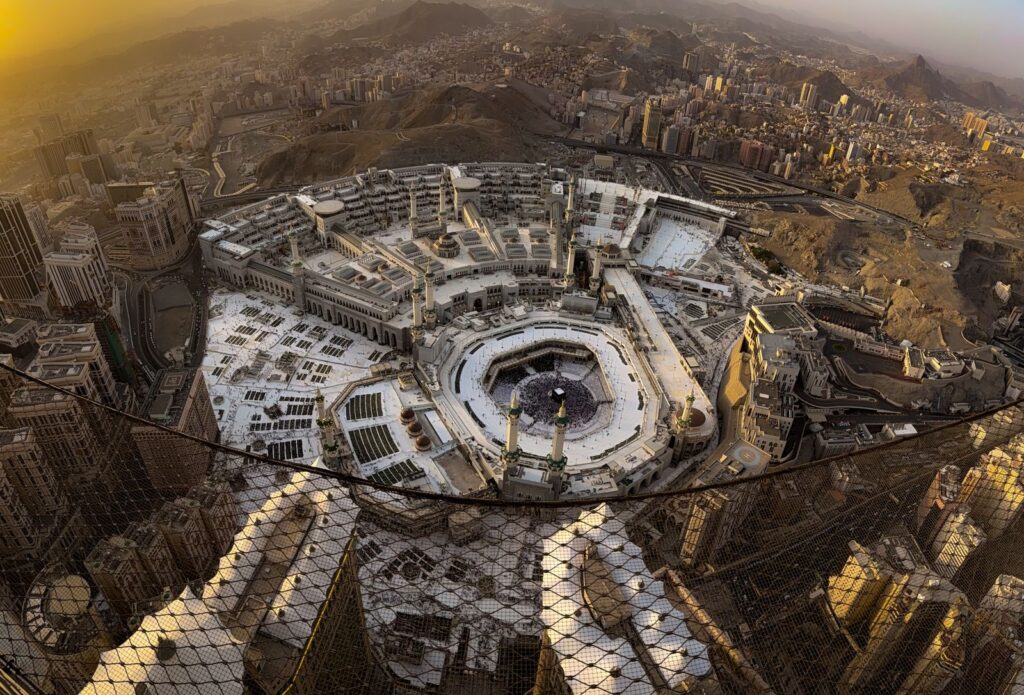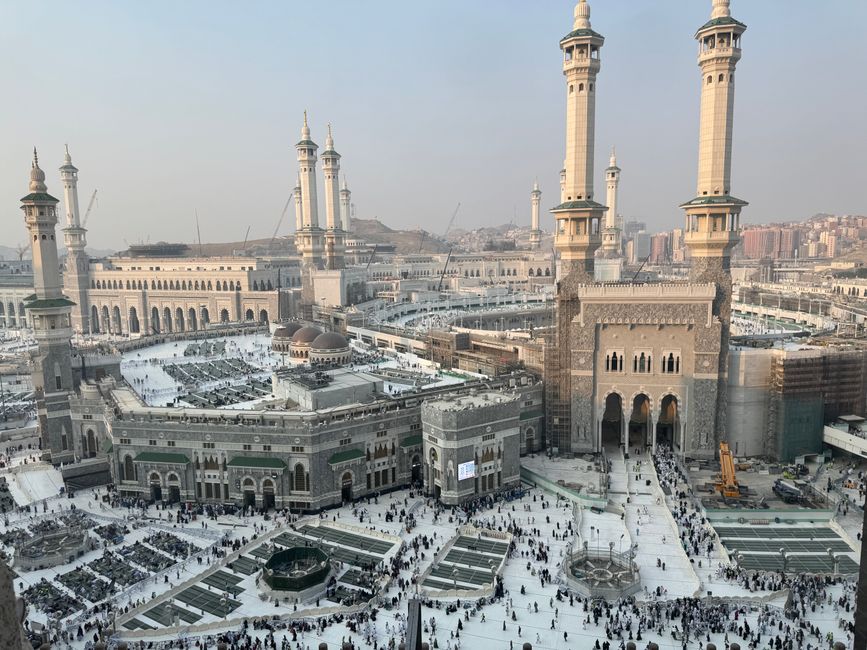
This article is correct as of 2026-05-22. It gives common beginner guidance for the four main parts most first-time pilgrims need to understand: entering ihram, Tawaf, Sa’i, and ending with halq or taqsir. Because travel requirements can change, always verify the latest official guidance before travelling [2].
If you are new to Umrah, keep this simple. Do not try to memorise every small detail on your first read. Start with the order, understand the purpose of each rite, and then check the exact fiqh details with a scholar you trust.
1) Enter Ihram
Ihram is the state you enter before the rites begin. For beginners, the most useful way to think about it is this: you are preparing yourself intentionally for Umrah, both outwardly and inwardly. The clothing matters, but the intention matters just as much.
Many pilgrims keep the start of ihram very calm. They wash, put on the correct clothing for their situation, make intention, and then begin reciting the Talbiyah. There is no need to make the moment complicated. If your scholar, travel plan, or group guide gives you a specific place or timing to begin ihram, follow that guidance.
What to remember: do not rush the start. Make sure you know what your own guidance says, and keep your focus on intention rather than ceremony.
One practical point: do not overload this stage with too much information. The beginners who do best are usually the ones who prepare well, keep their instructions simple, and stay calm.
2) Tawaf
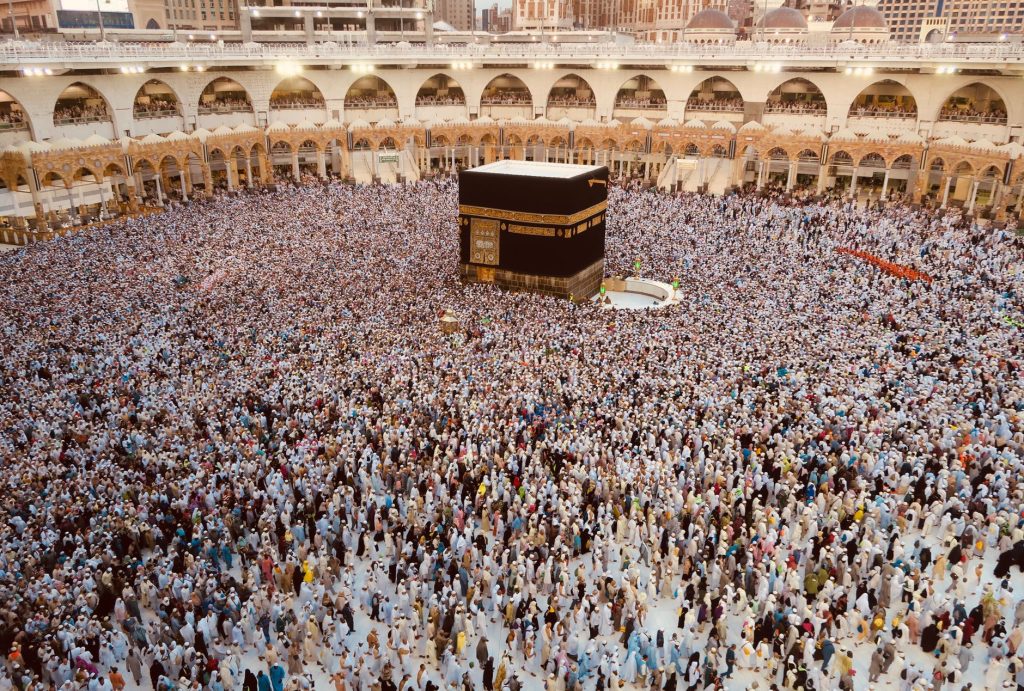
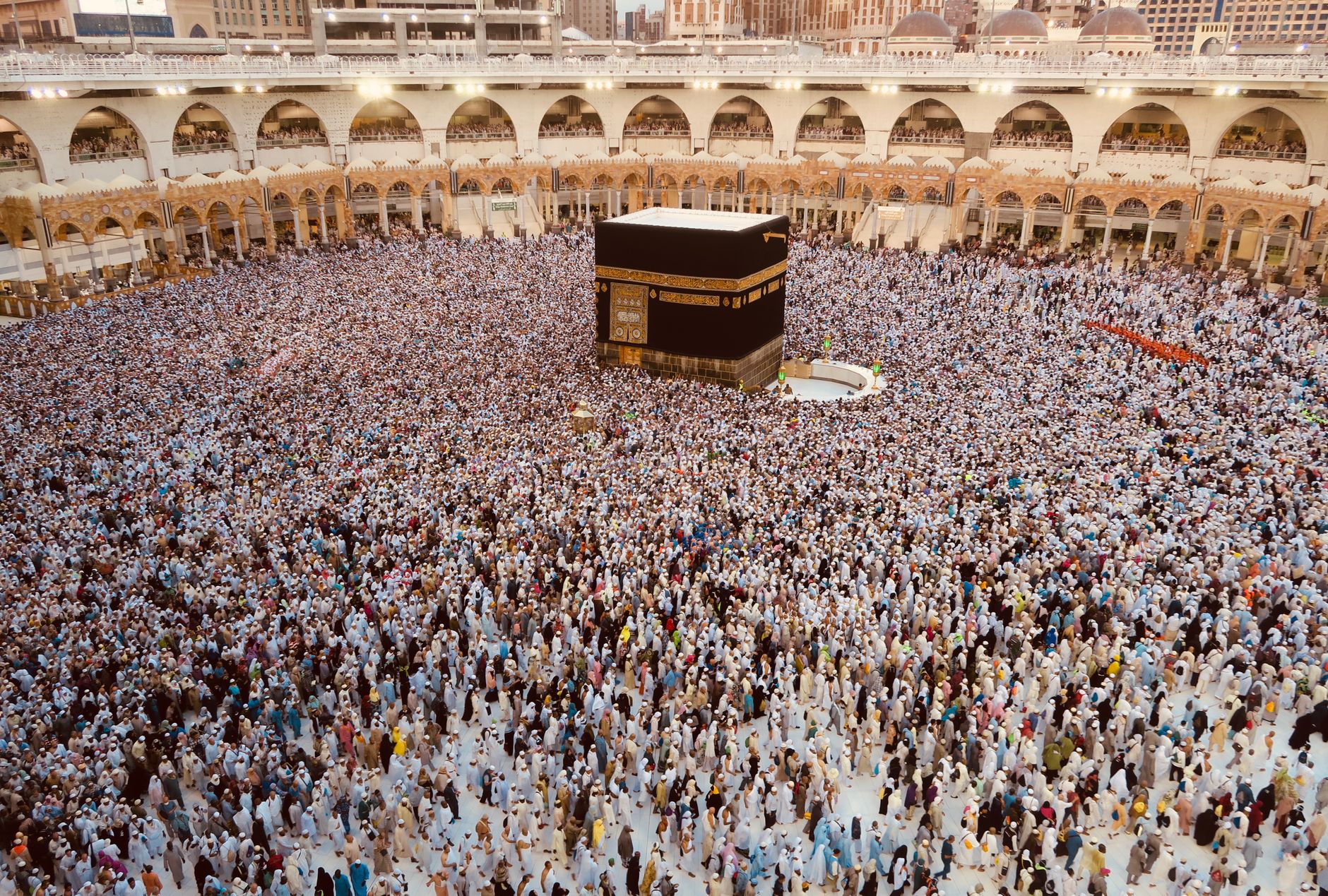
Tawaf is the seven circuits around the Kaaba. It is the part many people picture first when they think of Umrah, but the reality is usually more grounded than the picture in your mind. It can be crowded, hot, and emotionally heavy at the same time.
Keep your pace steady. Stay aware of the people around you. If you need to slow down, slow down. The purpose is not to look impressive. The purpose is to worship well and safely.
There is no single obligatory du’a list for every lap [1]. Many people make dhikr, du’a, and quiet personal supplication in the language they understand best. That is enough for a beginner. If you want exact wording for specific acts, use a trusted source rather than a random copy-and-paste card.
As a beginner, the main thing is to understand the shape of the rite: seven rounds, around the Kaaba, with presence of heart and a steady body.
3) Sa’i
Sa’i is the seven walks between Safa and Marwa. In practice, this is where many first-time pilgrims realise that Umrah is physically more demanding than they expected. That is normal. It is also why pacing matters.
Walk at a comfortable speed. If the area is crowded, do not panic. Keep moving, keep your place, and keep your focus. The route is longer than many newcomers expect, so it helps to arrive rested and hydrated.
Like Tawaf, Sa’i does not need to be turned into a performance. It is better to do it steadily than to do it quickly and lose your composure.
When you read different guides, you may notice small differences in how details are explained. That is normal. Keep the basics straight, and then ask a scholar if you need madhhab-specific detail.
4) Halq or Taqsir
The final part is the hair-cutting step that ends the state of ihram. Men generally shave or trim their hair, and women shorten a small amount of hair according to the guidance they follow. If you are unsure about the exact method, ask before you travel so you are not figuring it out under pressure.
This ending matters because it marks completion. Once it is done, you are no longer in ihram. Keep the moment simple and do not overcomplicate it.
A sensible rhythm for the day
A good first-Umrah rhythm is usually: prepare calmly, do not arrive exhausted, keep water handy where allowed, and avoid trying to do everything in a rush [3]. Some people want to go straight from arrival to the Haram and push through fatigue. That is often a mistake. Rest first if you need to. The rites deserve your attention, not your exhaustion.
If you are travelling with others, agree on the pace before you begin. A shared plan prevents a lot of stress later. If you are travelling alone, keep your phone charged and know where you are supposed to meet or rest if you get separated.
If this is still ahead of you, start here. Our free preparation checklist helps you handle the logistics so you can focus on what matters when you get there. [Download the free DIY Umrah Checklist →]
Before travelling, always check the latest official guidance from Nusuk and the Saudi authorities [4].
The checklist does not replace the rites. It supports the journey around them. That is the useful part for most first-time pilgrims: fewer loose ends, less confusion, and more room to concentrate on the worship itself.
Notes
[1] Common beginner guidance only; fiqh details can vary by madhhab and scholar.
[2] For travel-policy matters outside the rites themselves, verify current official guidance before you travel.
[3] Practical pacing advice only; if you have health concerns, follow your doctor’s guidance and your own limits.
[4] Official sources to verify if your journey still involves policy questions: Nusuk (https://nusuk.sa), the Saudi Ministry of Hajj and Umrah (https://www.haj.gov.sa/en or https://www.mhu.gov.sa/en), and the Saudi Ministry of Health (https://www.moh.gov.sa/en).
🏨 Cari Hotel di Makkah & Madinah
Bandingkan harga hotel berdekatan Masjidil Haram dan Masjid Nabawi.
Widget oleh Travelpayouts