This article is correct as of 2026-05-22.
DIY Umrah gets expensive when you make the big decisions in the wrong order. The cheapest trip is not always the one with the cheapest flight, and the nearest hotel is not always the best value. A sensible plan starts with route, dates, visa path, vaccination timing, hotel location, and transport before you pay for anything non-refundable [1].
Quick answer
Plan the trip in this order: choose your route, compare flight dates, confirm your visa route, book vaccination early, shortlist hotels by walking time instead of star rating, then price transport between airports, Makkah and Madinah. This order keeps you from locking in one cheap item that makes the rest of the trip more expensive [1].
1) Start with the route, not the flight
Many first-time DIY travellers open a flight search first. That is tempting, but route choice affects almost every later cost. A Jeddah-in, Jeddah-out plan can be simple for Makkah-only trips. A Madinah-first plan can be calmer if you want to visit Madinah before Makkah, because it may reduce backtracking and make the final airport transfer simpler [1].
Price three route patterns before buying: arrive Jeddah and leave Jeddah, arrive Madinah and leave Jeddah, and arrive Jeddah and leave Madinah. Multi-city flights sometimes look more expensive at first, but can save a hotel night, a long road transfer, or a badly timed airport run [1].
2) Use flight flexibility properly
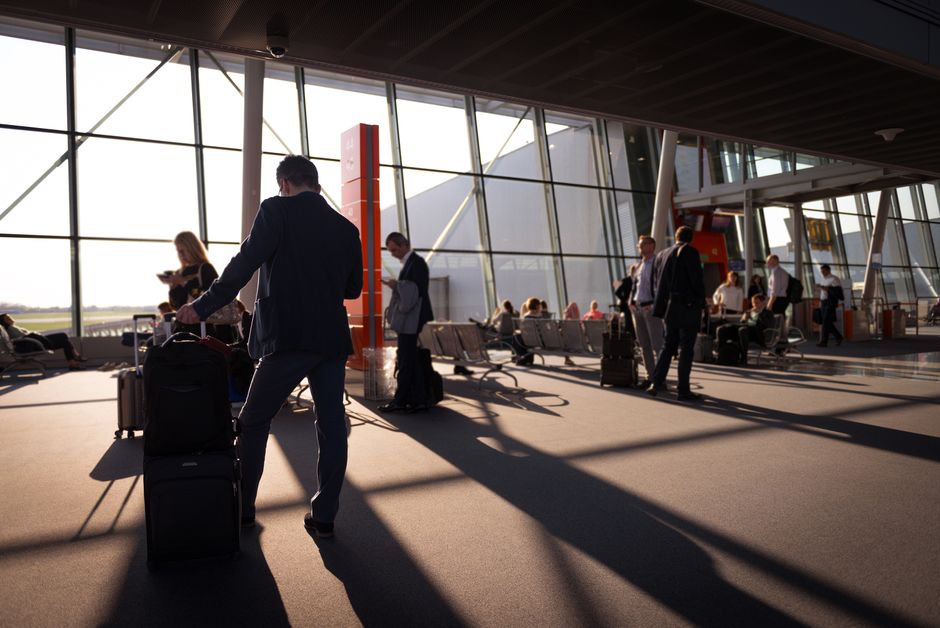
Flight savings usually come from date flexibility, not from chasing the lowest headline fare. Compare nearby departure days, nearby return days, baggage rules, transit length, and arrival time. A cheap flight that lands at 3 a.m. can become expensive if you need an extra hotel night, a private transfer, or a late check-in workaround [1].
For families, include luggage in the comparison from the start. A fare that looks cheaper can lose its advantage once checked bags, seat selection, and long layovers are included. If you are using miles or points, check cash fares too, because points redemptions are not automatically good value [1].
3) Confirm visa and vaccination before non-refundable bookings
Do not treat visa and vaccination as afterthoughts. Nusuk Umrah is an official route for international pilgrims to apply directly and arrange services without an intermediary, but eligibility, document handling, and platform behavior can change. Check the official platform and official Saudi guidance before relying on any third-party explanation [2].
Vaccination planning can also affect cost. If you leave it late, you may pay more, have fewer appointment choices, or create stress close to departure. Saudi health requirements and recommendations are published by the Ministry of Health, and the current requirement set should be checked before travel because health rules can change by season and origin country [3].
A good budget has a separate line for visa-related costs, vaccination, insurance, document photos, and small admin fees. These are not glamorous expenses, but ignoring them is how a “cheap” itinerary becomes annoying later [2].
4) Pick hotels by walking time and total friction
Hotel value near the Haram is not just distance on a map. Look at walking route, elevation, shuttle reliability, lift waiting time, breakfast timing, cancellation terms, room size, and whether the hotel works for your group. A slightly cheaper hotel can cost more in ride-hailing, fatigue, and wasted time if it is awkwardly located [1].
For Makkah, compare the hotel against your actual walking tolerance. For Madinah, decide whether you value proximity to Masjid Nabawi, a quieter street, a better family room, or a lower nightly rate. In both cities, read poor reviews first. They often reveal the real tradeoff: old rooms, slow lifts, difficult slopes, construction noise, or misleading “nearby” claims [1].
5) Price transport as a system
Transport is where many DIY budgets leak. Price airport transfer, city ride-hailing, train or bus between Makkah and Madinah, luggage movement, and the final airport run together. Looking at one ride at a time hides the real total [1].
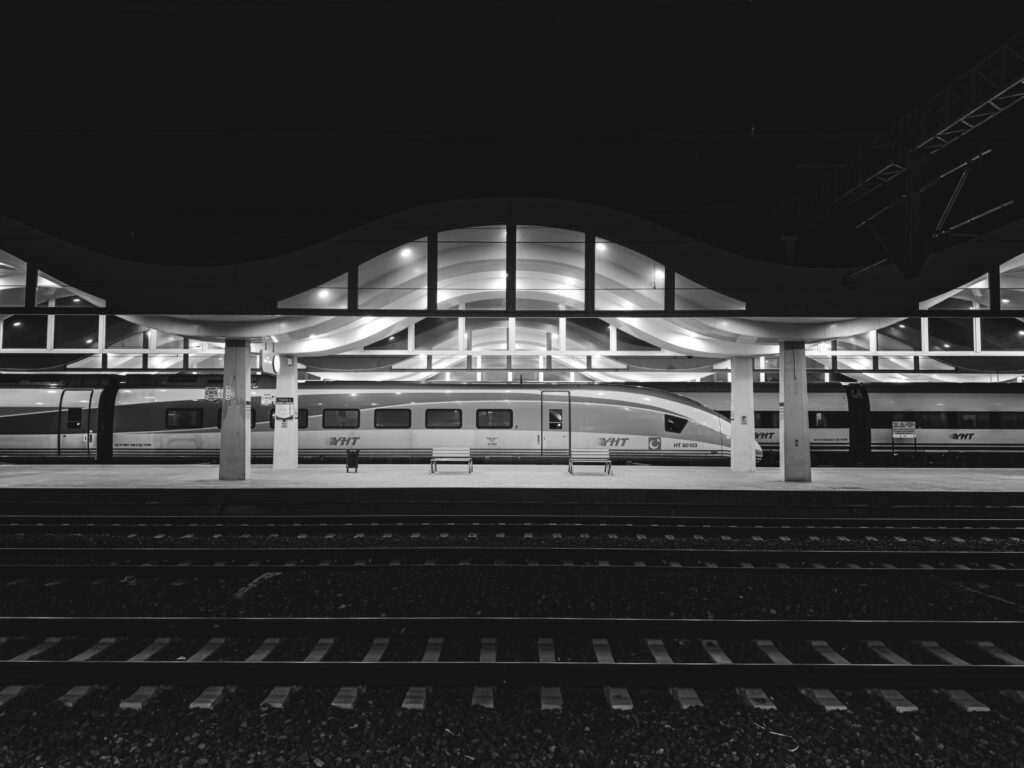
The Haramain train can be convenient between Jeddah, Makkah and Madinah, but compare ticket timing, station transfers, luggage limits, hotel distance from the station, and group size. For some families, a private transfer can be better value. For solo travellers, the train or bus may make more sense [1].
6) Pack to avoid buying twice
Packing is a budget tool. Bring the boring things that become overpriced or inconvenient when you need them urgently: comfortable sandals, power adapters, medication, a small laundry kit, spare phone cable, document copies, simple snacks, and weather-appropriate clothing. Keep liquids and medicine rules in mind before flying [1].
Do not overpack specialist items either. If an item is bulky, cheap and easy to buy locally, it may not deserve luggage space. The goal is not to bring everything. The goal is to avoid emergency purchases and luggage fees [1].
7) The avoidable-cost checklist
- Do not book non-refundable hotels before you understand your visa, vaccination and flight timing risks [2].
- Do not choose a cheaper airport route without pricing the transfer to your first hotel [1].
- Do not trust “walking distance” until you check the actual walking route and reviews [1].
- Do not ignore luggage rules on low-cost or connecting flights [1].
- Do not leave health preparation until the last week if an appointment or certificate is needed [3].
- Do not pay for a full package just because one step feels confusing; identify the confusing step and solve that directly [2].
A simple planning order
- Pick your route pattern: Jeddah-first, Madinah-first, or multi-city [1].
- Compare flights with baggage, arrival time and transit length included [1].
- Check the current official visa path and health guidance before paying non-refundable costs [2].
- Book vaccination and insurance early enough to avoid rushed decisions [3].
- Shortlist hotels by actual walking time, cancellation policy and group needs [1].
- Price transport as a full chain, not as separate rides [1].
- Pack to reduce emergency spending and luggage surprises [1].
The practical point is simple: DIY Umrah is not about doing everything alone. It is about knowing which parts you can handle yourself, which parts need official checking, and which paid services are genuinely worth it. That is how you save money without making the trip harder than it needs to be [1].
Notes
[1] Practical planning guidance. Prices, hotel quality, routes, airline rules and transport availability change by date, season and traveller profile.
[2] The Saudi Ministry of Hajj and Umrah announced Nusuk Umrah as a direct option for international pilgrims to apply and book trip services without an intermediary through https://umrah.nusuk.sa/. Check the official platform before booking.
[3] Saudi Ministry of Health pilgrim health pages publish current health requirements and recommendations for Hajj and Umrah travellers. Check https://www.moh.gov.sa/en/healthawareness/pilgrims-health/Pages/default.aspx before travel.
🛒 Book Your Umrah Trip
We’ve partnered with these travel booking platforms to help you find the best deals. We may earn a small commission at no extra cost to you.
✈️ Find the Best Flight Deals for Umrah
Compare prices across hundreds of airlines and travel agencies. Book direct and save.
💡 Tip: Jeddah (JED) is the closest airport for Mecca. Medina (MED) has direct flights from some cities.
🏨 Find Hotels in Mecca
Compare hotel prices from Booking.com, Agoda, and more. See real guest reviews and find the best price.
🏨 Find Hotels in Medina
Compare hotel prices from Booking.com, Agoda, and more. See real guest reviews and find the best price.
🚄 Haramain High-Speed Railway
The fastest way to travel between Jeddah, Mecca, and Medina. Book tickets online to skip the queue.
🕐 Jeddah → Mecca: ~30 min | Mecca → Medina: ~2 hours
Haramain train booking: Use the official Haramain High-Speed Railway portal, and confirm its secure connection before entering passenger details.